Government officials, civil society organisations, researchers, and development partners called for urgent reforms to improve access to equitable and sustainable financing for climate-induced loss and damage.
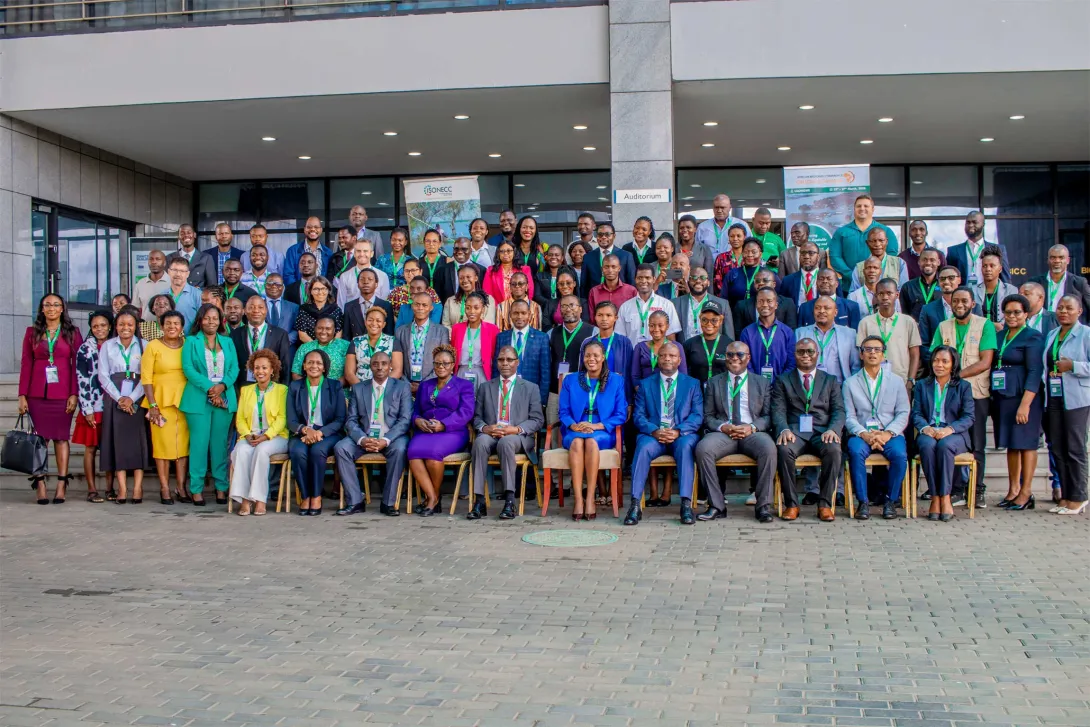
This call was made during the 5th African Regional Conference on Loss and Damage, held from 25–27 March 2026 in Lilongwe, Malawi.
The conference marked a critical step in advancing African-led solutions and strengthening collective action on finance, technical support, and institutional systems needed to respond effectively to escalating climate impacts across the continent.
Convened by the Civil Society Network on Climate Change (CISONEC), the conference brought together stakeholders from across the continent to review progress, identify policy and institutional gaps, and explore practical pathways for operationalising loss and damage financing mechanisms.
Discussions emphasised the need for accessible and predictable financing, stronger accountability systems, improved technical capacity, and better coordination to ensure resources reach vulnerable communities. Participants also highlighted ongoing challenges, including limited institutional readiness, weak data systems, and barriers to accessing global funds.
Africa continues to face disproportionate climate impacts despite contributing the least to global emissions, with communities experiencing recurring floods, droughts, and irreversible losses.
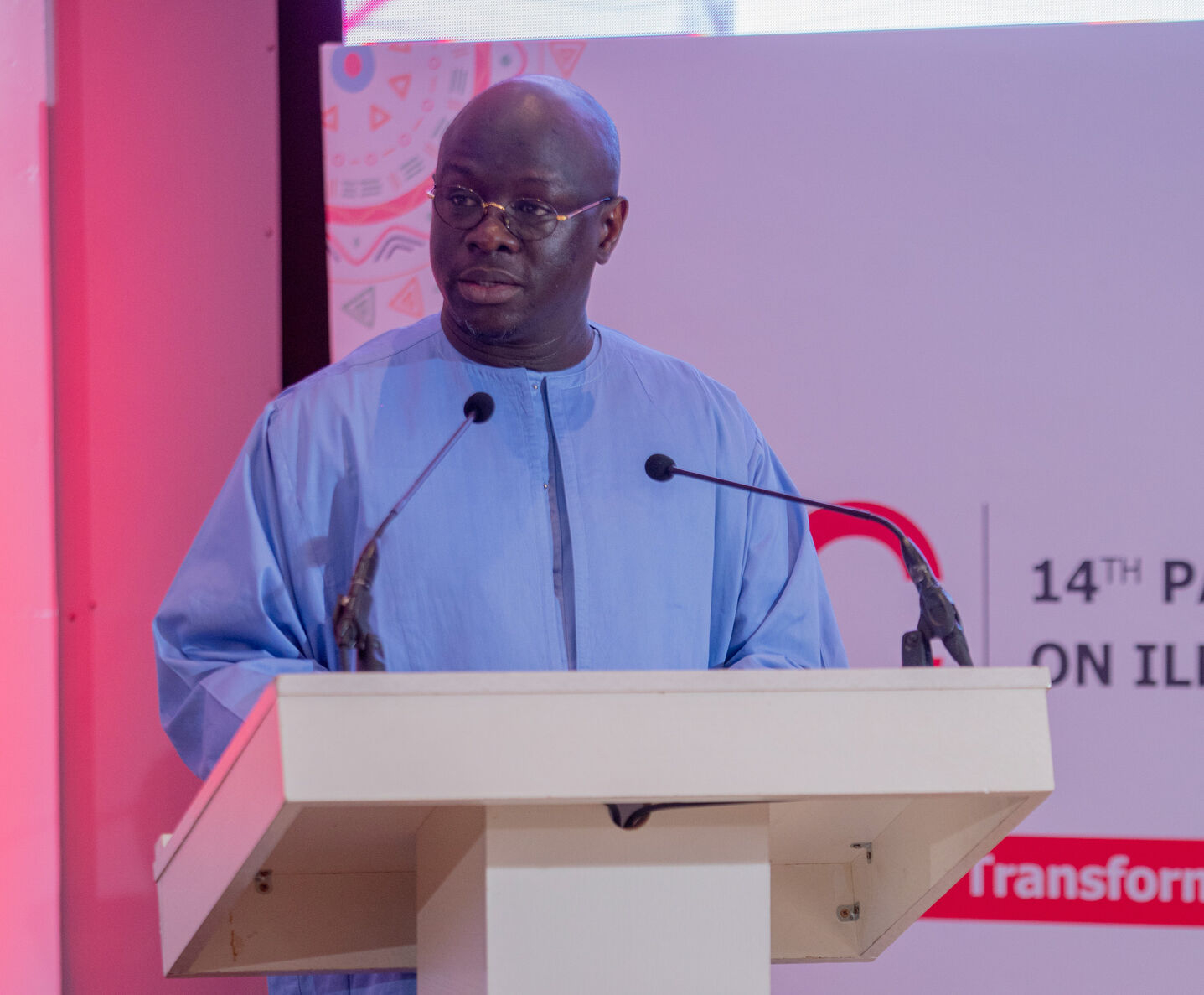
In her opening remarks, Malawi’s Minister of Natural Resources, Hon. Patricia Whiskes, highlighted the urgency of translating global climate pledges into immediate, tangible action on the ground.
“The real test lies not in the commitments made, but in the actions delivered. We cannot afford delays, for our communities, climate impacts are happening now.” Hon. Patricia said.
Echoing concerns on access and accountability, Mr. Charles Mwangi from Pan African Climate Justice Alliance (PACJA), emphasised the need for transparency and stronger local systems:
“Evidently, only 10% of climate finance reaches vulnerable communities due to existing bureaucracies. Radical transparency and accountability are needed, alongside prioritised investment in strengthening local institutions.” Charles said.
Participants further stressed the importance of strengthening community-based financing, enhancing data and evidence systems, and building local capacity to improve delivery and accountability of funds.
Highlighting the scale of the challenge, Food and Agriculture Organization (FAO) Malawi, Monitoring and Evaluation Officer Mr. Samuel Kirichi noted:
“The agriculture sector loses about USD 144 billion annually to climate impacts, nearly equivalent to Kenya's GDP. If nothing is done, Africa will continue to suffer, and the impacts will keep increasing.”
The conference concluded with a strong call for accelerated action to ensure loss and damage finance is accessible, equitable, and responsive, reinforcing Africa’s commitment to advancing climate justice and resilience.
TJNA remains committed to working with partners across the continent to advance equitable climate finance, strengthen accountability systems, and support African countries in securing and effectively utilising resources to address loss and damage.
For more information about the Loss and Damage conference, please contact Gloria Majiga at gmajiga[@]taxjusticeafrica.net.
