
African countries are calling for restorative and reparative taxation measures that offer tangible remedies to communities most impacted by the climate crisis.
This call was made during the second Regional Strategy Convening on Climate Finance and Taxation, held in Addis Ababa, Ethiopia.
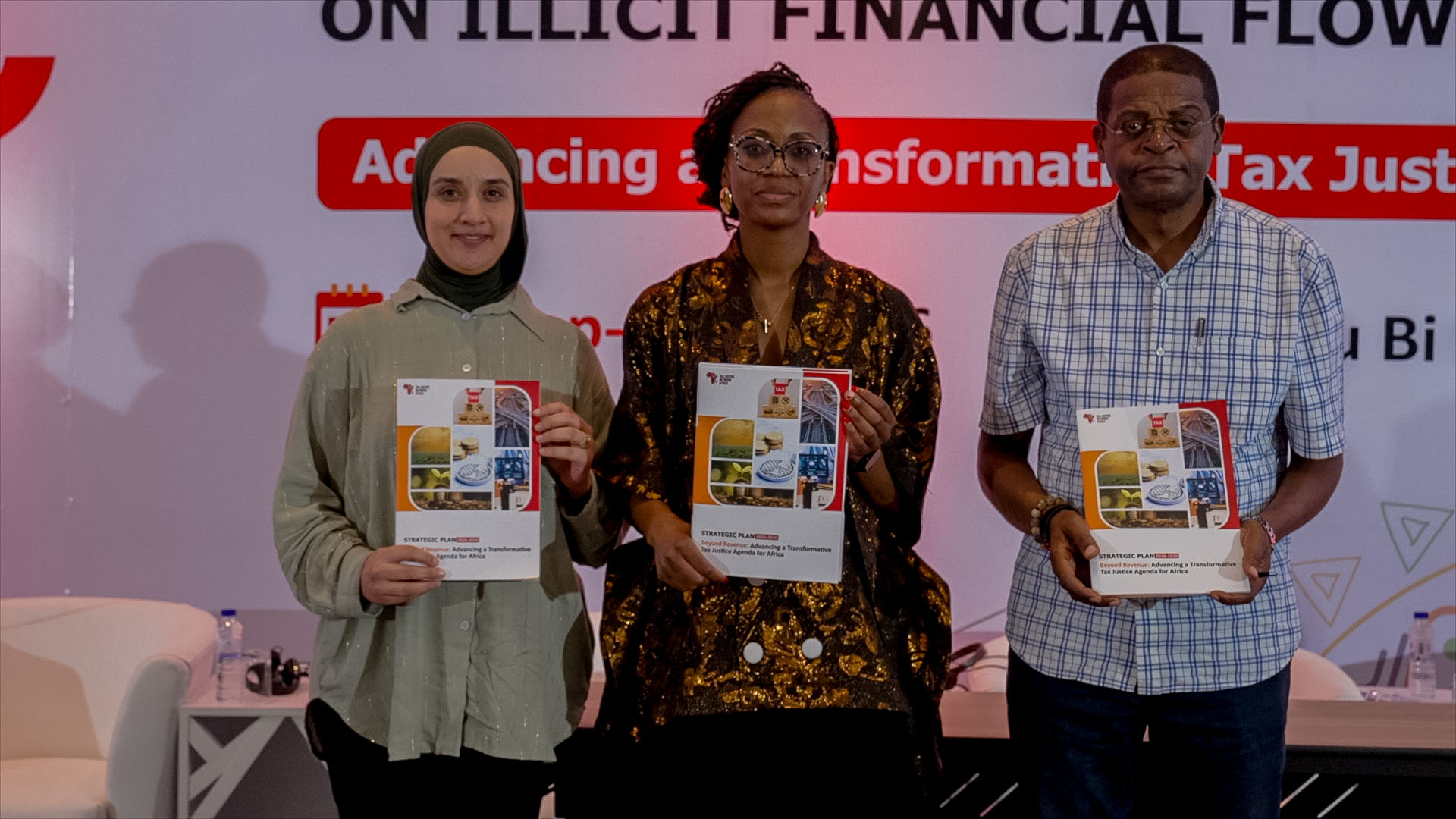
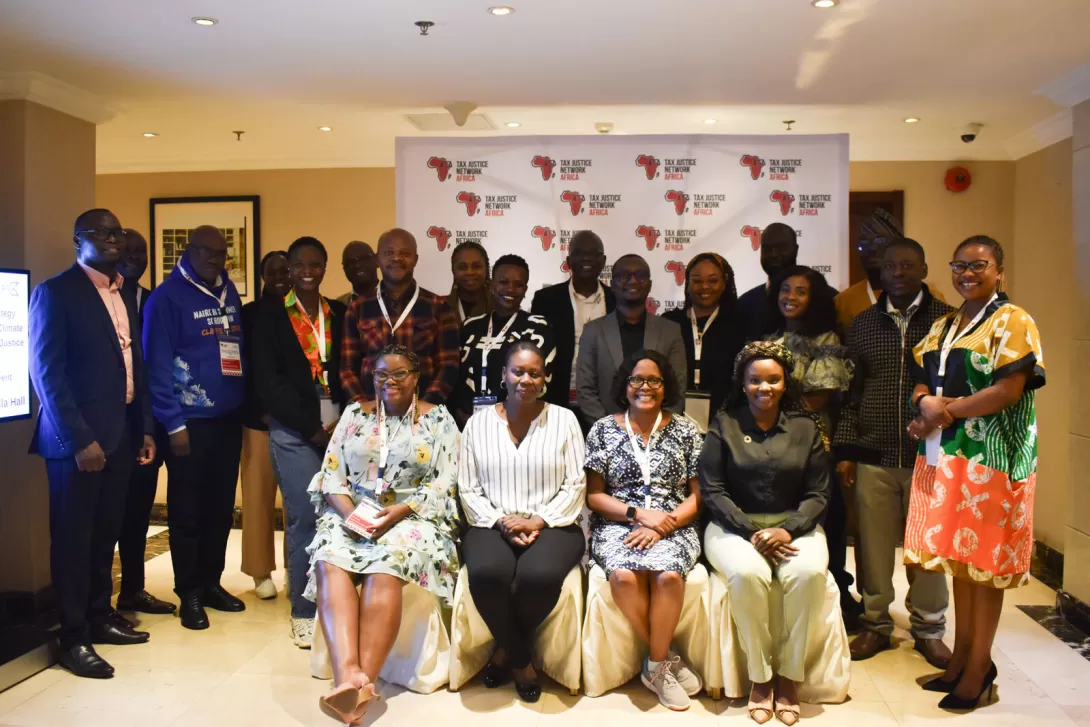
The convening brought together over 30 civil society actors from across the continent working in tax justice, climate justice, and natural resource governance. Participants took stock of progress, revisited shared positions, and developed joint advocacy strategies ahead of the Africa Climate Summit 2 (ACS-2) and the upcoming Conference of the Parties (COP30).
A key outcome was a unified call for reforms to the global financial architecture to create a fair, transparent, and accountable climate finance system that addresses Africa's realities.
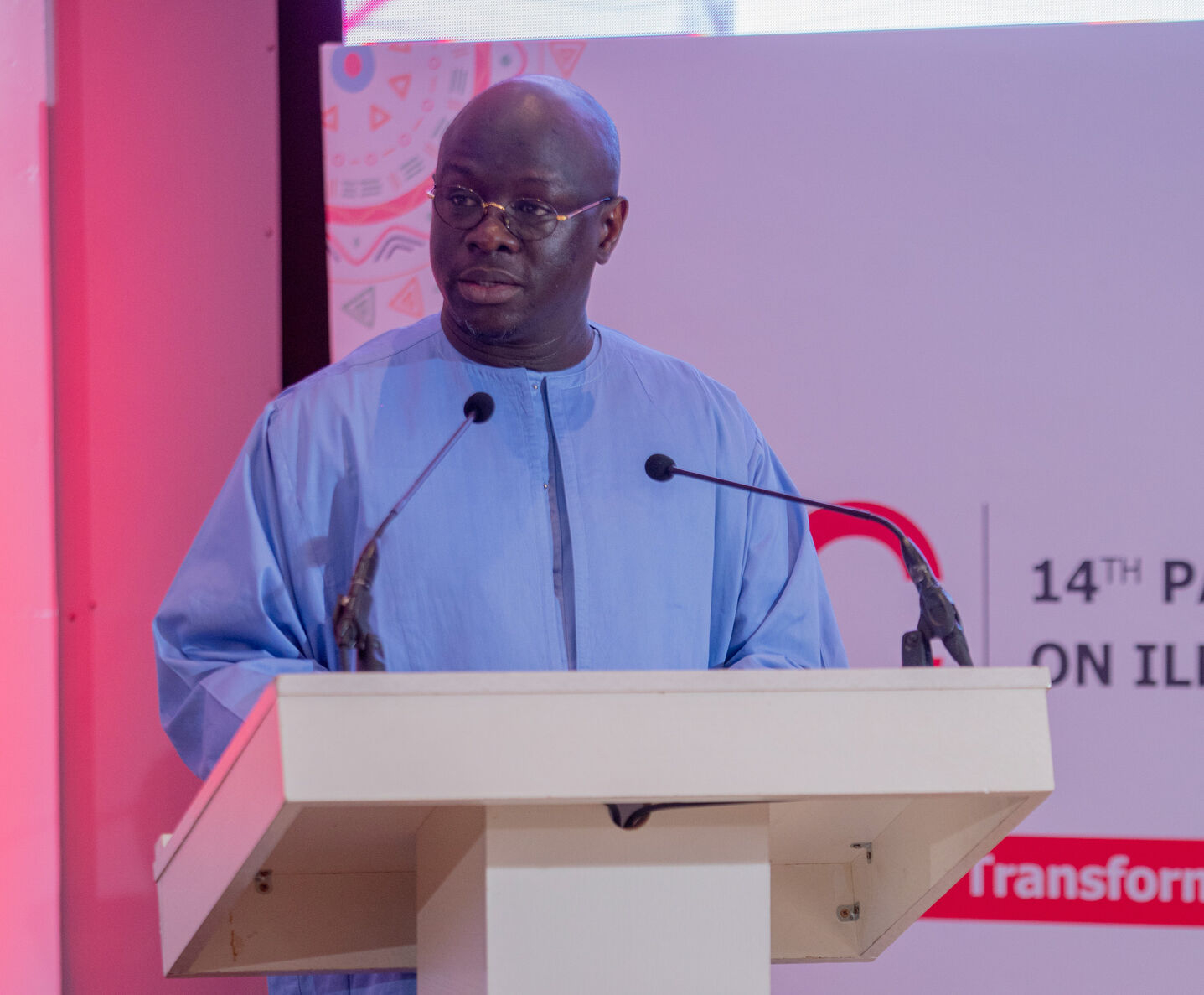
Speaking during the opening session, TJNA’s Partnership and Institutional Learning Manager, Ms. Nelly Busingye, underscored the importance of leveraging diverse expertise and fostering strategic consensus to strengthen collective action.
“The goal of this convening is to finalise the outcome statement that will be presented at COP30, showcasing Africa’s progress and bold, equitable solutions to address climate finance gaps, we must shift from reactive to restorative climate action, one that recognises historical injustices and demands reparative measures from the biggest polluters. This includes fair and just taxation systems that make those most responsible for the climate crisis contribute to repairing the damage inflicted on our communities.” she said.
Participants also explored Africa’s wider economic and climate justice issues, emphasising how the current global financial system puts African nations at a disadvantage, especially regarding climate debt and financial arrangements. Injustices within the current climate finance systems often impose debt burdens instead of offering genuine support for climate adaptation and resilience. Delegates stressed the need for fair taxation of wealthy nations and multinational corporations, particularly those responsible for significant climate pollution, and called for transparent mechanisms to ensure that climate finance resources flow directly to Africa.
In his remarks, Head of Policy and Advocacy at the Pan African Justice Alliance (PACJ) Mr. Philip Kilionzo, pointed out the urgent need to bridge Africa's climate investment gap.
“There is a 30 per cent deficit in adaptation finance. Private finance is not flowing as expected, over 50 percent is debt-inducing, while only 5 percent comes in the form of grants. The shift from aid to investment, heavily reliant on private finance, has serious implications for climate action,” he noted.
Speaking during the meeting, Ms. Lorraine Chaponda, Africa Network Coordinator for the Global Gas & Oil Network emphasised the link between debt cancellation and climate adaptation. She stressed the need for clearer definitions and stronger implementation frameworks within climate finance agreements.
“Africa must open dialogue on Article 6 for full renegotiation. We also need to focus on the quality of finance because discussions on debt burdens and climate action cannot be separated,” stated Ms. Chaponda.
“There is a need to build sufficient momentum at COP30 to ensure the inclusion of specific means of implementation (MoI) language that extends beyond COP31. Defining ‘loss and damage’ distinctly from ‘climate adaptation’ is also critical,” she added.
In closing, TJNA’s Policy Officer, Ms. Gloria Majiga, stressed the need to balance domestic and global resource mobilisation (DRM) for effective climate action.
“Developing countries must strengthen DRM while ensuring access to adequate and equitable global climate finance. But DRM alone cannot fill the gap. We must design tax systems that are not only progressive but also reparative in order to channel revenue from extractive industries and high emitters directly into adaptation and resilience programmes for affected communities. This is how we move from rhetoric to justice. Climate finance must repair, not deepen, inequality,” she concluded.
The convening concluded with strong calls for transformative, justice-driven reforms in global and national climate finance systems. Participants emphasised that public finance must take precedence over private finance, with private contributions complementing, not replacing state-led climate investments. They called for costed and transparent targets aligned with the Global Goal on Adaptation (GGA) and the New Collective Quantified Goal (NCQG), ensuring that climate finance commitments are measurable and deliverable.
Participants reaffirmed the principle of historical responsibility, calling on developed nations to honour their financial commitments under COP agreements through non-debt-inducing and reparative financing. They also stressed the need to mobilise African financial institutions to finance the continent’s own development priorities, while fostering partnerships and global alliances to restructure the international debt and tax architecture.
The convening highlighted the ongoing gap between commitment and implementation, calling for greater transparency, accountability, and coordination among civil society, governments, and regional bodies to establish a fair and effective climate finance system for Africa.
For more information about the Regional Strategy Convening on Climate Finance and Taxation, please contact Gloria Majiga at gmajiga[@]taxjusticeafrica.net.
