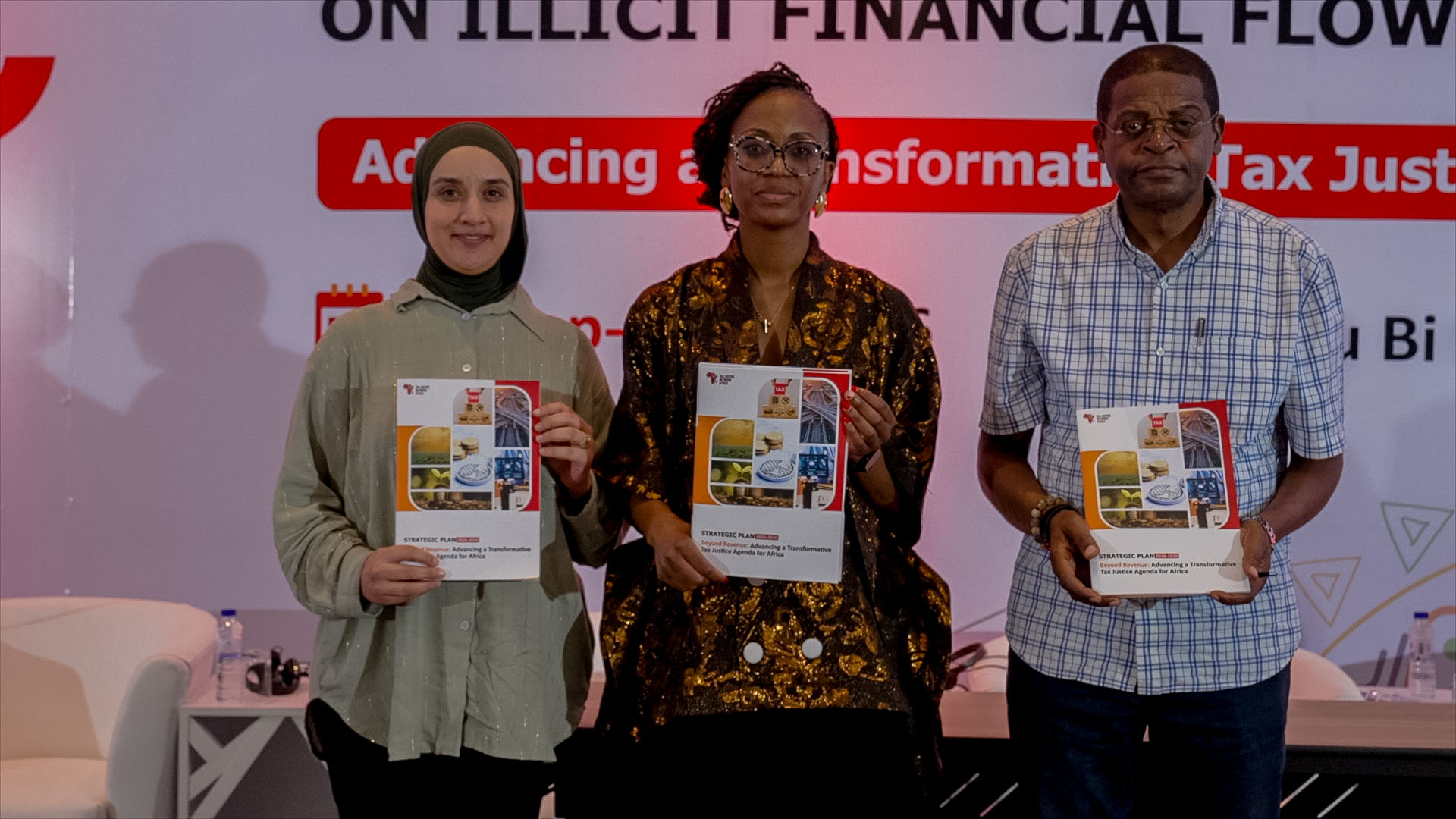
Tax Justice Network Africa (TJNA), in collaboration with the African Union Commission (AUC), through its Department of Economic Development, Trade, Tourism, Industry and Minerals (AU-ETTIM), the African Tax Administration Forum (ATAF), and the Zambia Revenue Authority (ZRA), successfully concluded a two-day pilot assessment of the Anti-Illicit Financial Flows (Anti-IFFs) Policy Tracker in Lusaka, Zambia, culminating in Zambia’s endorsement of the tool as part of efforts to strengthen national and continental responses to illicit financial flows (IFFs).
The endorsement marks an important milestone in advancing African-led efforts to address illicit financial flows, with Zambia becoming the sixth country to pilot and endorse the Anti-IFFs Policy Tracker following earlier implementations in Namibia, Uganda, Ghana, Côte d’Ivoire, and Liberia. It further reflects growing continental momentum towards strengthening national systems, enhancing institutional coordination, and advancing collective action to safeguard domestic resources.
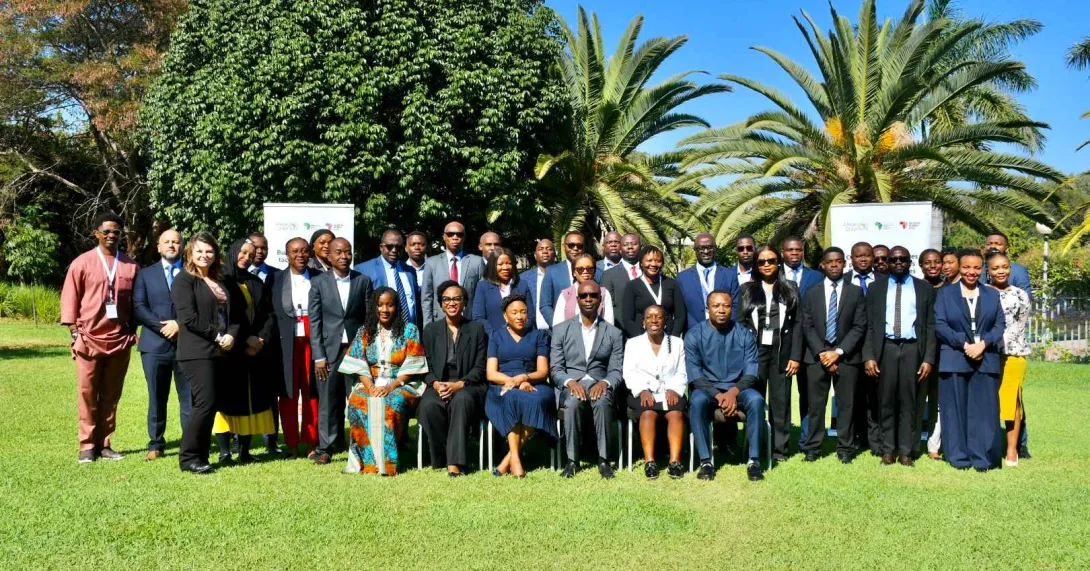
The two-day workshop brought together senior government officials, regulators, oversight institutions, and technical experts to assess Zambia’s anti-IFF landscape across four key thematic areas: Policy, Legislative and Regulatory Framework; Institutional Framework; Information and Data Framework; and Inter-agency Cooperation Framework.
In her opening remarks, TJNA Executive Director, Ms. Chenai Mukumba emphasised the urgency of strengthening domestic resource mobilisation amid growing global economic uncertainty.
"Illicit financial flows continue to undermine Africa’s development prospects by draining revenue urgently needed for public services, infrastructure, industrialisation, and social development," she noted.
She further stressed that addressing IFFs has become increasingly important amid constrained fiscal space and growing economic pressures.
"We are operating in an increasingly uncertain global economic environment characterised by rising debt vulnerabilities, tightening fiscal space, aid uncertainty, and broader economic instability. African countries must begin to look inward and to each other for solutions."
Ms. Mukumba further highlighted the broader significance of the Policy Tracker, noting:
"The important point about illicit financial flows is that these are resources already generated in Africa. We are not looking to generate new resources we do not have, but rather to improve the ecosystem to protect the resources that already belong to the continent. The work we are undertaking through this Policy Tracker is fundamentally about ensuring that African resources work for African people."
Speaking on behalf of the African Union Commission, Ms. Luckystar Miyandazi highlighted that the assessment forms part of broader continental efforts to strengthen implementation of anti-IFF commitments.
"This launch is not merely a technical assessment. It is part of a broader continental effort to move from commitments to measurable implementation."
She further encouraged participating institutions to engage openly in the process.
"The strength of this process will not be measured by the absence of gaps, but by honesty with which those gaps are identified, evidenced, and transformed into practical reform priorities," Ms. Miyandazi added.
Representing ATAF, Mr. Emmanuel Eze described the Policy Tracker as an instrument for strengthening governance and coordination.
"A policy tracker is not simply a monitoring tool. It is a governance instrument. It helps countries identify policy gaps, track implementation progress, strengthen institutional coordination, and assess whether existing legal and administrative frameworks effectively respond to the evolving nature of illicit financial flows. The ultimate goal is not merely to track illicit financial flows. The ultimate goal is to stop them," he added.
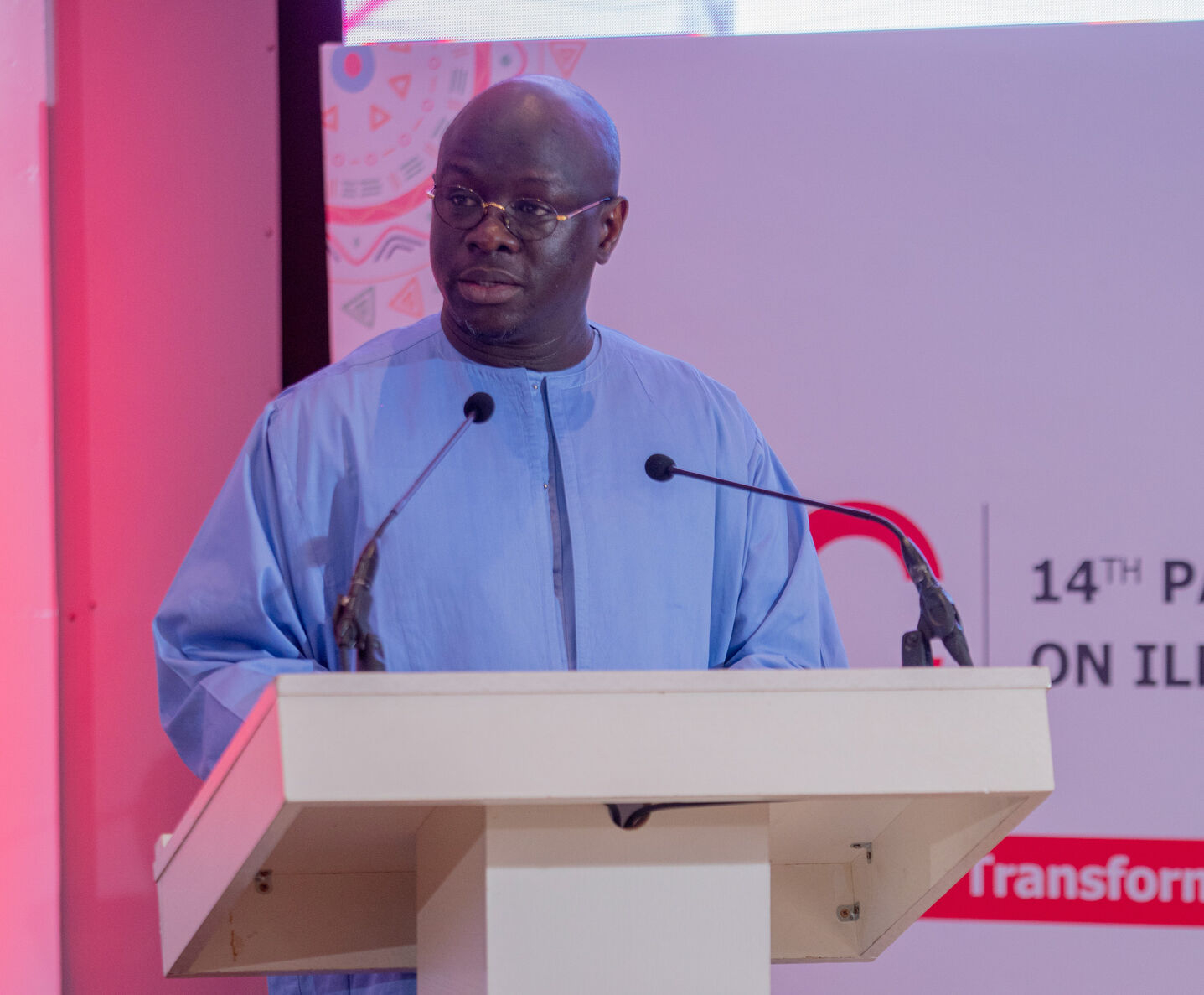
In his closing remarks, Zambia Revenue Authority Commissioner General, Mr. Dingani Banda, reiterated Zambia’s commitment to strengthening national responses to IFFs and highlighted the scale of the challenge.
"The Financial Intelligence Centre reported suspected illicit financial flows worth over USD 5 billion between 2023 and 2024. This clearly highlights the magnitude and urgency of the challenge before us and reinforces the need for coordinated, evidence-based, and sustained interventions.”
The pilot assessment concluded with a shared commitment among participating institutions to strengthen collaboration, improve data systems, enhance accountability, and sustain momentum in addressing illicit financial flows.
The findings and recommendations from Zambia’s pilot assessment will inform national reform processes and contribute to broader African Union discussions aimed at strengthening transparency, accountability, and domestic resource mobilisation across the continent.
For more information, please contact Aya Douabou at adouabou[@]taxjusticeafrica.net
