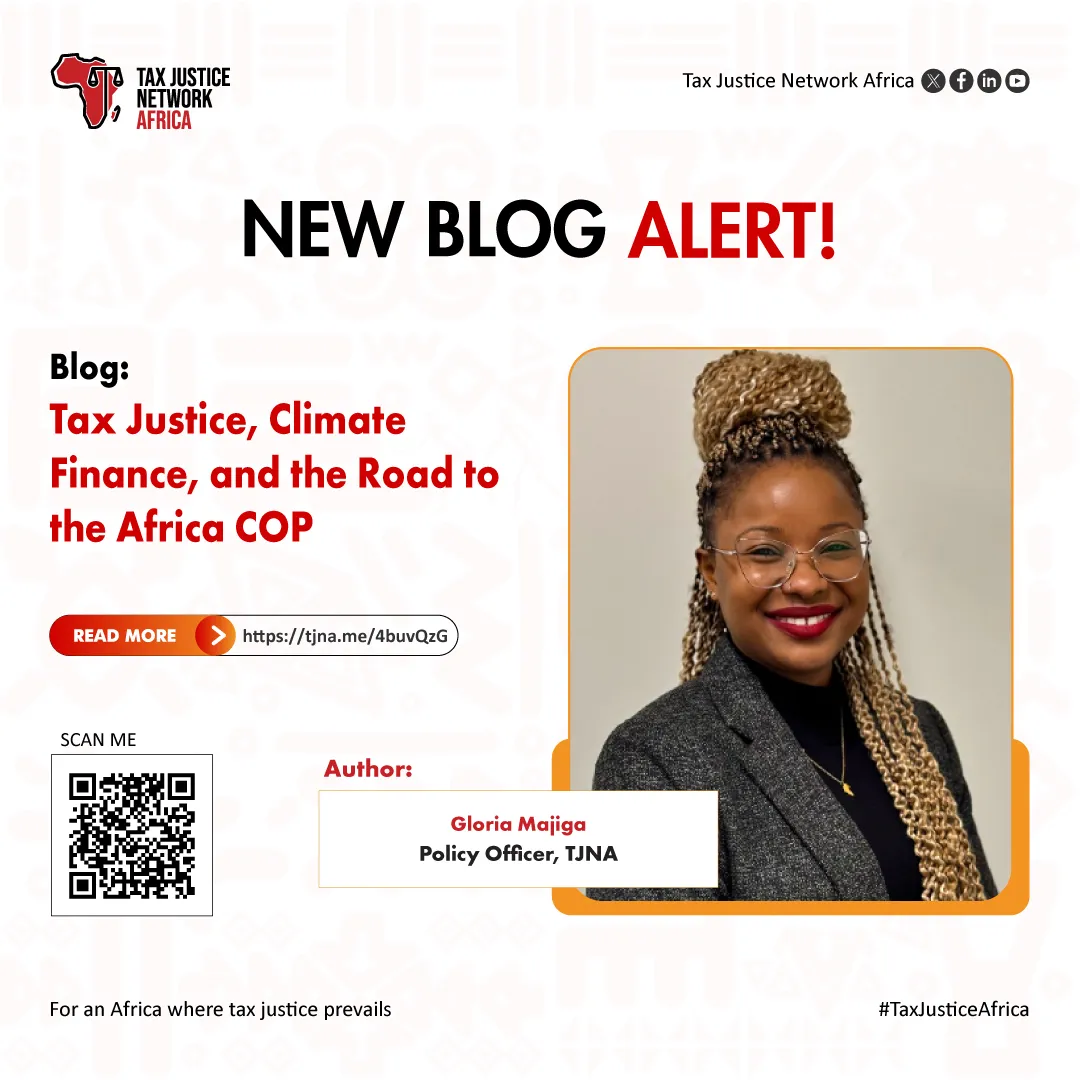
By Gloria Majiga
The 64th Sessions of the UNFCCC Subsidiary Bodies (SB64), commonly known as the Bonn Climate Change Conference, were concluded on 18 June 2026 in Bonn, Germany, with unresolved tensions and a modest set of procedural agreements.
For African countries and climate justice advocates, the outcomes offered a mixed bag of incremental steps on just transition governance, gridlock on adaptation finance, and a deepening structural fault line over who owes whom, and how much.
These mid-year negotiations are intended to connect COP decisions with implementation. This year, they took place amid declining official development assistance, worsening climate impacts and growing geopolitical tensions. Central to the discussions was the Climate Finance Work Programme, established after COP30 to advance implementation of developed countries’ finance obligations under Article 9.1 of the Paris Agreement. The wider finance agenda also includes the Baku-to-Belém Roadmap, which seeks to scale climate finance for developing countries to at least USD 1.3 trillion annually by 2035.
A dispute over obligation and mobilisation
In Bonn, Tax Justice Network Africa (TJNA) closely followed the Climate Finance Work Programme established by the COP30 decision on developed countries’ finance obligations under Article 9.1 of the Paris Agreement. The Work Programme was expected to help translate the New Collective Quantified Goal (NCQG) on climate finance into delivery. The NCQG is a global target for how much climate finance should be provided each year. Instead, the process became caught in a fundamental disagreement over its purpose. Developing countries argued that it must focus on the legal obligation of developed countries to provide climate finance. Developed countries favoured a wider discussion that also counts private finance mobilised from different sources.
This distinction is not technical; it determines who carries responsibility and what kind of finance reaches vulnerable countries. Public grants cannot be treated as equivalent to commercial loans, nor can private investment driven by profit be presented as fulfilment of international obligations. The G77 and China therefore rejected the co-chairs’ proposed work plan and called for a Party-driven process capable of producing concrete outcomes for COP31. A broader account of the key outcomes from the Bonn negotiations reflects the depth of this divide.
In the meantime, the scale of the unmet need grows with official figures showing developed-country climate finance reached $136.7 billion in 2024, a record, but well short of the $300 billion annual NCQG target agreed at COP29, and even further from the aspirational $1.3 trillion pathway by 2035.
For Africa, the quality of finance matters
African countries have consistently argued that climate finance must be accessible, predictable and primarily grant-based. Increasing reliance on loans risks forcing countries already facing severe debt distress to borrow further to address a crisis they did little to create. Climate finance is not charity; it arises from obligations under the UN climate regime and from the historical responsibility of high-emitting countries.
The Climate Finance Work Programme must now serve as the vehicle for turning that obligation into delivery. In the face of a widening finance gap, it cannot remain a discussion forum but must drive accountability and enforce clear definitions of climate finance over vague mobilisation targets. The push to secure its place as a formal agenda item at COP31 is critical to move it from a technical process to a political priority where concrete decisions can be taken. At the same time, the insistence that it remains Party-driven would prevent dilution of developed countries’ obligations and ensure that outcomes reflect negotiated commitments.
Tax justice is central to climate finance
In TJNA's April 2026 submission to the UNFCCC call for submissions to the Work Programme, filed jointly with ForumCiv, we reiterate a long-standing argument that the world does not lack the resources to finance climate action. What it lacks is the political will to tax the wealth that exists and to close the channels through which it haemorrhages out of Africa and the Global South.
As evidence shows, Africa loses an estimated $89 billion annually to illicit financial flows (IFFs)of which about $40 billion (in 2015) comes directly from the extractive sector. A further $220 billion is lost through harmful tax incentives from the sector. In total, international tax abuse costs the world $483 billion per year in foregone revenue. The leakage of resources through tax abuse and unfair rules undermines what should be available for African countries to adequately respond to the climate change impacts exacerbated by the extractive economy.
TJNA's framework for analysis on the 5Rs of Tax Justice offers a coherent lens for evaluating climate finance architecture:
- Revenue: Tax systems should mobilise resources from extractive industries, multinational corporations and high-net-worth individuals.
- Redistribution: Climate finance should reach communities and countries most affected by climate change.
- Repricing: Fiscal policy should remove harmful fossil-fuel incentives and make polluters pay for environmental damage.
- Representation: African countries should have an equal voice in shaping the rules governing climate and finance.
- Reparations: Climate-finance architecture should recognise historical extraction and disproportionate responsibility for emissions.
Applying these principles
The SB64's outcomes reveals the depth of what remains undone. First, the systematic effort by developed countries to conflate their legal obligations under provision of public finance with broader "mobilisation" of climate finance from all sources represents one of the gravest threats to equitable climate finance.
Climate finance targets should not count private loans at commercial rates alongside grants and call that equity. While countries used the workshops to highlight their individual contributions, the work programme must instead establish clear and disaggregated reporting that distinguishes public provision from private mobilisation, grants from loans, and mitigation from adaptation. The highest quality of climate finance should be maintained along with the quantity.
In the absence of a multilateral climate finance process that meaningfully addresses IFFs as both a source of unmet climate finance and a barrier to domestic resource mobilisation, the resources lost to tax havens, profit-shifting, and corrupt extractive contracts far exceed the sums being negotiated in Bonn.
The L&DC submission to the work programme duly notes that the NCQG was not informed by the needs and priorities of developing countries but rather was guided by what was acceptable to all Parties in a process in which “nothing is agreed until everything is agreed. This is why it is critical that the work programme moves from a talk shop approach and function as an implementation platform that explicitly integrates an IFF lens and supports African governments to recover and redirect these resources toward climate-responsive public spending.
What comes next after SB64?
With Antalya approaching and COP32's scheduled convening in Addis Ababa on the horizon, Africa enters a critical phase of climate multilateralism. African governments, civil society, and negotiating blocs must act with clarity and coordination in resisting any dilution of developed countries’ legal obligation to provide public climate finance, and ensure that the Climate Finance Work Programme centres this obligation as its core mandate.
There is also an urgent need to push back against the creeping substitution of grant-based climate finance with loans that increase developing countries' debt burdens. This will be particularly important as we see developed countries cutting back on their finance commitments and redirecting resources towards new priorities like defense and security. Climate Finance must remain non-debt-creating, particularly for adaptation and loss and damage.
At the continental level, this moment demands a parallel focus on long-term and sovereign sources of climate finance. Advancing the UN tax negotiations alongside the UNFCCC process is therefore a critical and complementary pillar of climate justice. Through a fair and inclusive global tax framework, African countries can secure taxing rights, curb illicit financial flows, and ensure that multinational corporations, particularly in extractives and critical minerals, pay their fair share where value is created.
The author of this blog is TJNA’s Policy Officer, Ms. Gloria Majiga.
