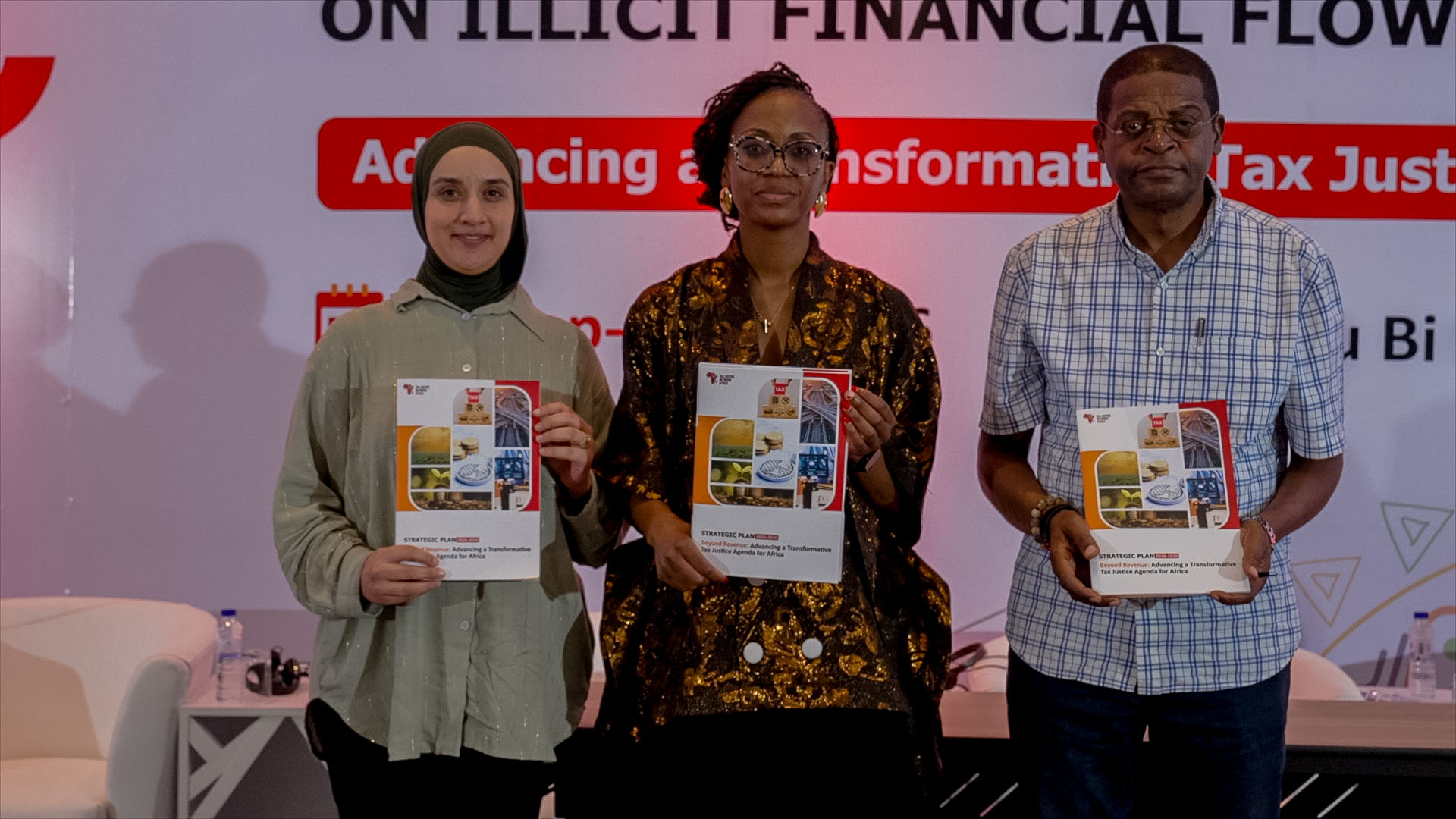
[Dakar, Senegal, 30 September 2026] — African tax experts, policymakers, civil society leaders and development actors called for a renewed continental commitment to tax justice, stronger accountability and greater African ownership of the continent’s economic future as the 14th Pan-African Conference on Illicit Financial Flows and Taxation (PAC 2026) opened its substantive programme in Dakar.
Held under the theme “Advancing a Transformative Tax Justice Agenda for Africa,” PAC 2026 is bringing together policymakers, parliamentarians, researchers, civil society organisations and development partners from across Africa and beyond to examine how tax systems can support redistribution, economic transformation, public services, accountability and resilience.
The opening plenary, “A Shared Struggle for Tax Justice,” examined the growing pressures facing tax systems globally, including widening inequality, fiscal constraints, increasingly mobile capital and rapidly changing business models. It placed tax justice within a broader struggle for democratic accountability, economic fairness and sustainable development.
From tax collection to development
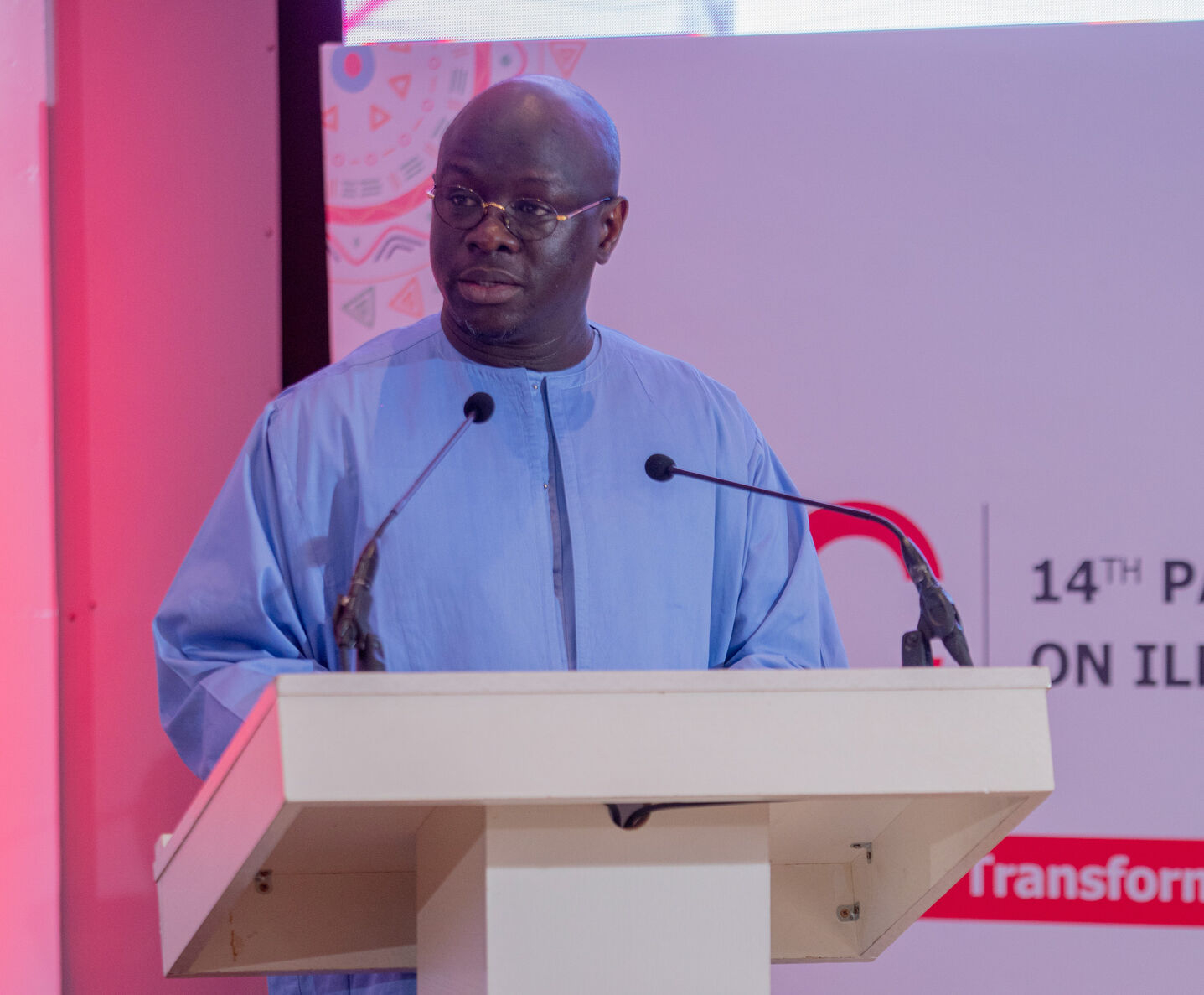
Speaking on behalf of the African Tax Administration Forum (ATAF) Executive Secretary Mary Baine, Mr. Emmanuel Eze, highlighted the tangible results that stronger tax administration can deliver. He noted that ATAF-supported interventions had generated US$529.71 million in additional tax assessments and US$228.33 million in collections during the first seven months of 2026.
“Taken together, these are not abstract numbers. There are schools, roads, and social protection programmes that our member states can now afford,”Mr. Eze said.
He emphasised the importance of combining stronger enforcement with transparency systems, policy tools and institutional cooperation, highlighting progress in areas including transfer pricing, VAT compliance on cross-border transactions, withholding taxes and automatic exchange of information.
For Mr. Eze, the figures demonstrate that effective tax administration can translate directly into greater domestic resource mobilisation and the fiscal space needed to finance development.
Africa’s wealth must work for Africa
Mr. Gamal Ibrahim of the United Nations Economic Commission for Africa (UNECA) urged participants to connect the fight against illicit financial flows with Africa’s wider development and financing challenges.
“Africa’s future must increasingly be financed by the wealth that Africa generates,” Ibrahim said. “Ensuring that this wealth remains on the continent, contributes fairly to public revenues and supports sustainable development is among the defining policy challenges of our time.”
Ibrahim called for PAC to strengthen its role as a platform for accountability and implementation, including through tracking commitments, assessing progress on policies to curb illicit financial flows and strengthening tax transparency.
“Let us use this Conference not only to exchange ideas, but to renew our collective resolve, deepen our collaboration and move decisively from dialogue to delivery,” he said.
His remarks reinforced the need for African countries to translate commitments on tax justice and illicit financial flows into measurable national and continental action.
Defining what economic sovereignty means for Africa
Ms. Chenai Mukumba, Executive Director of Tax Justice Network Africa (TJNA), challenged participants to go beyond technical discussions on tax administration and interrogate the broader meaning of Pan-Africanism and economic sovereignty.
She asked fundamental questions about Africa’s place in the global economy, including how wealth generated from the continent’s natural resources should be managed, how development should be financed and what relationship African countries should have with global capital.
“How should Africa participate in the global economy? What should happen to wealth generated from natural resources? How should development be financed? What should the relationship with capital be?” Ms. Mukumba asked.
She stressed that these questions have become increasingly urgent amid major shifts in the global political and economic order.
“I think we are at a precipice. The decisions we make now, individually as countries, but perhaps even more importantly collectively as a continent, will shape Africa’s economic trajectory for decades to come,” Ms. Mukumba said.
She called for deeper consideration of the relationship between political independence and economic sovereignty, including how African countries can exercise greater control over their resources and economic choices.
A transformative tax justice agenda
The opening discussions reflect PAC 2026’s broader effort to reposition taxation as more than a mechanism for raising government revenue. The conference is examining the multiple roles tax systems can play in Africa’s development — including redistribution, repricing, representation, regulation and resilience.
Over the three-day conference, participants will examine illicit financial flows, structural transformation, natural resources, debt, inequality, public health and changes to the international tax system. The programme also includes discussions on Africa’s role in global tax governance and efforts to strengthen the continent’s collective voice in international processes.
The opening plenary established three interconnected priorities for the conference: strengthening the capacity of African tax administrations to mobilise domestic resources; turning commitments into implementation and accountability; and defining what economic sovereignty should mean in practice for African countries.
As PAC 2026 continues, participants will build on these discussions to identify practical policy pathways that ensure Africa’s wealth contributes more effectively to inclusive development and that tax systems serve the broader interests of African societies.
ENDS
About PAC 2026
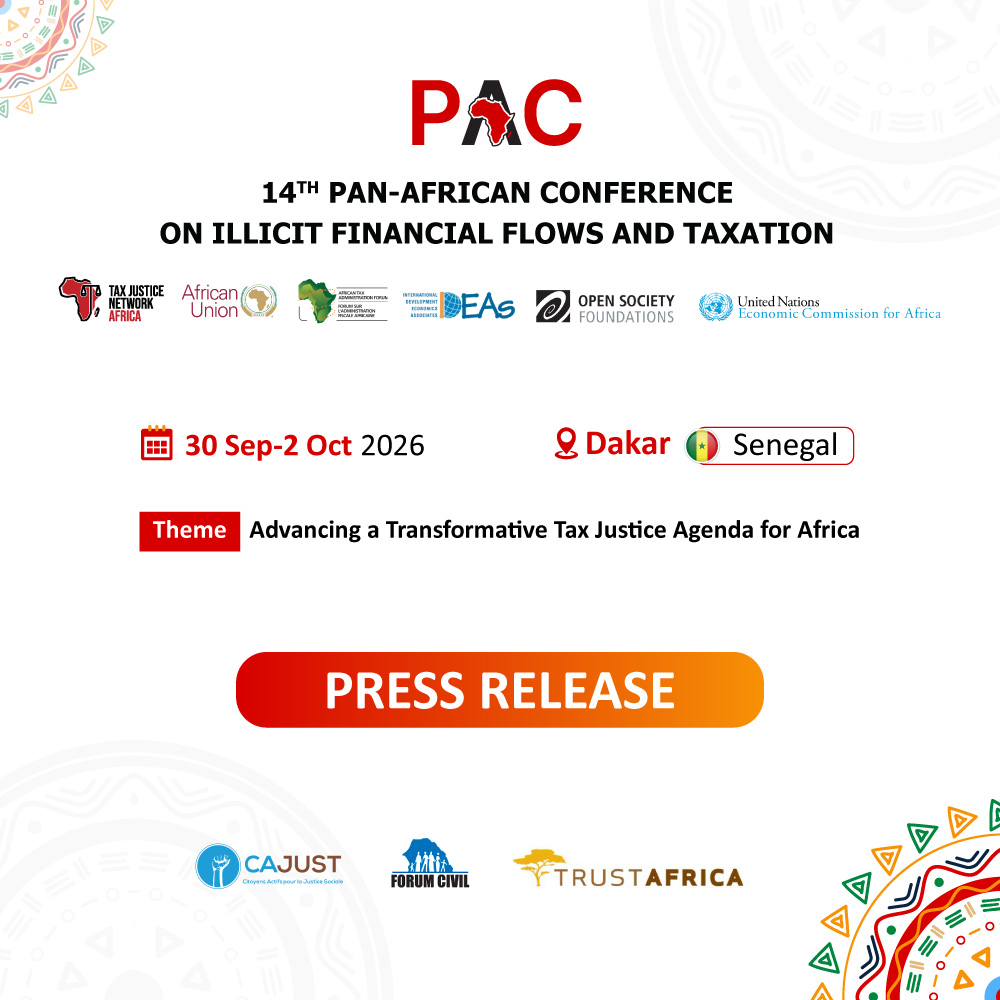
The 14th Pan-African Conference on Illicit Financial Flows and Taxation (PAC 2026) is being held in Dakar, Senegal, from 30 September to 2 October 2026, under the theme “Advancing a Transformative Tax Justice Agenda for Africa.”
PAC is convened by Tax Justice Network Africa (TJNA) in collaboration with its national partners CAJUST, Forum Civil and TrustAfrica, and co-hosted with the African Union, African Tax Administration Forum (ATAF), United Nations Economic Commission for Africa (UNECA), International Development Economics Associates (IDEAs), and Open Society Foundations.
About TJNA
Tax Justice Network Africa (TJNA) is a pan-African organisation promoting socially just, accountable and progressive taxation systems across the continent. Through research, advocacy, capacity building and movement support, TJNA works to advance tax justice, curb illicit financial flows and strengthen Africa’s role in global economic governance.
Media inquiries:
Andrea Moko
Tax Justice Network Africa
Email: pac@taxjusticeafrica.net
