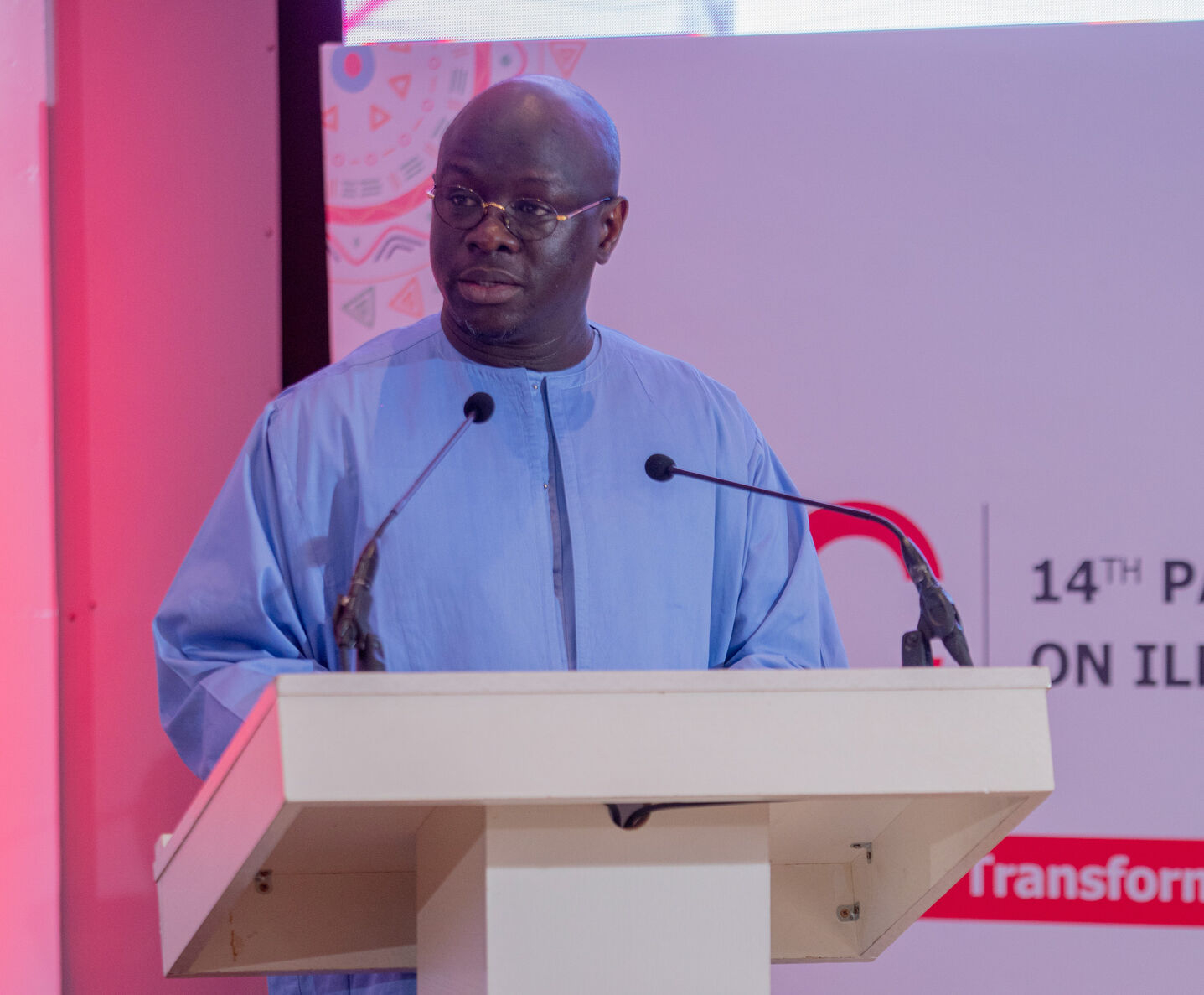
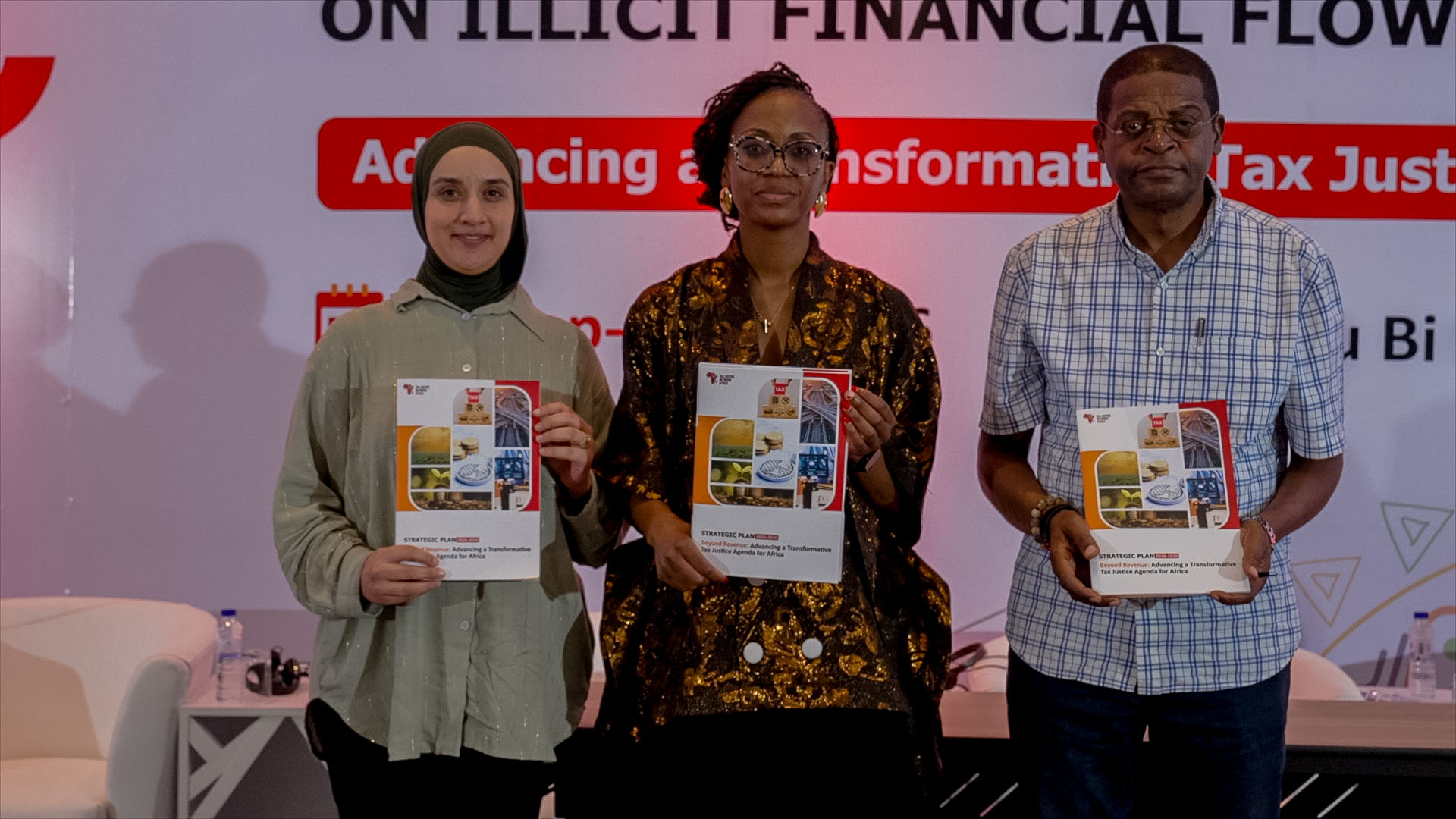
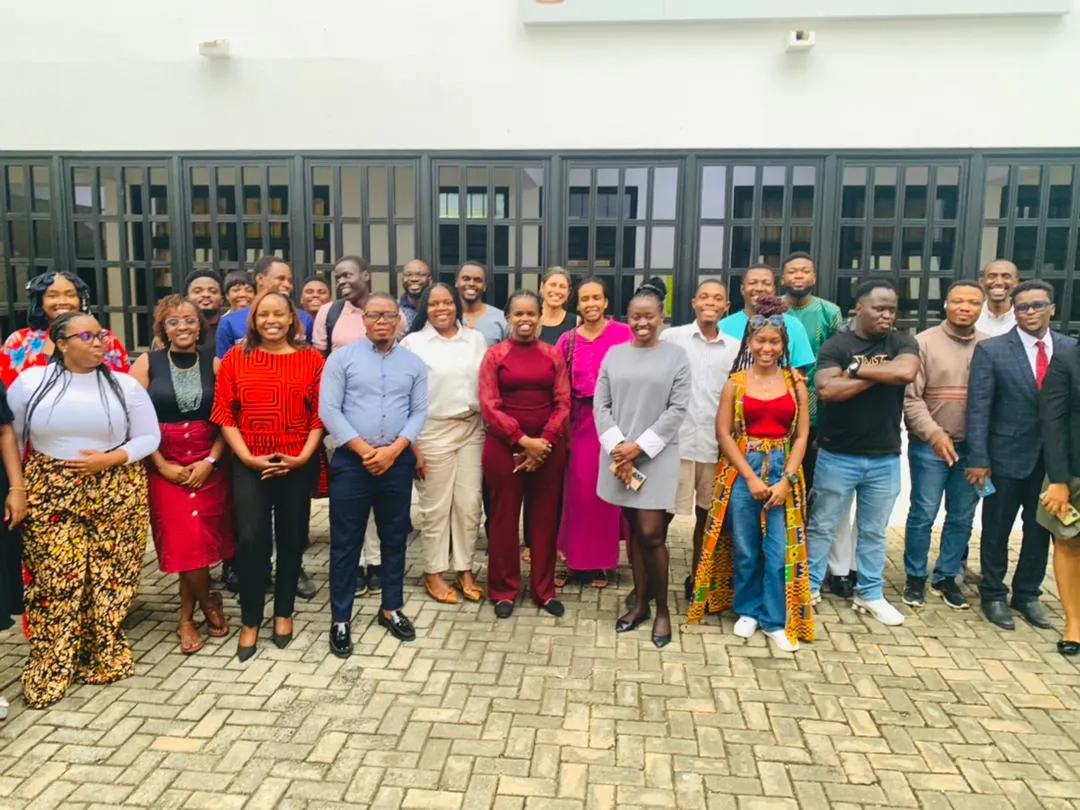
The International Development Economics Associates Limited (IDEAs), the African Forum on Debt and Development (AFRODAD), and the Economics Department of the University of Ghana hosted a Young Scholars Workshop from August 24 to 26, 2025, in Accra, Ghana.
The workshop, titled “Africa’s Debt Crisis: A Reparations and Reparative Justice Framework Analysis,” brought together emerging scholars, leading economists, policymakers, and civil society actors. It served as a precursor to the fifth African Conference on Debt and Development (AFCODD), which was held from August 27-29, 2025, in the same city and convened by African Forum and Network on Debt and Development (AFRODAD), International Development Economics Associates Ltd (IDEAS), and the Stop the Bleeding Campaign.
Over the course of three days, participants engaged in a transformative dialogue that connected Africa’s historical injustices to its contemporary economic challenges and charted pathways for global economic reform. Facilitators emphasised that the legacy of slavery and colonisation continues to shape Africa’s economic systems, entrench inequality, and limit sovereignty.
Whether through the Trans-Saharan, Indian Ocean, or Trans-Atlantic slave trades, the impacts of slavery fragmented societies, caused immense population loss, disrupted families and ethnic groups, fueled mistrust through divide-and-rule tactics, and weakened pre-colonial states.
The workshop also examined the history of the global reparations movement. In the period before the 20th century, reparations were primarily paid to the “victors” of slavery. For example, France required Haiti to pay 150 million gold francs as compensation to former slave owners. After World War II, the focus shifted to compensating victims, with Germany paying about 86 billion USD to Holocaust survivors and their heirs.
Currently, in the third wave of reparations, victims are seeking justice from incumbent powers for issues related to slavery, colonialism, and climate injustice. Regionally, formal continental recognition emerged in 1992, when the Organisation of African Unity (OAU) initiated efforts to pursue compensation. These efforts later gained momentum through the establishment of the Group of Eminent Persons, which was tasked with advancing reparatory justice for slavery and colonialism.
In 2025, the African Union designated the year as “The Year of Justice for Africans and People of African Descent Through Reparations,” highlighting its commitment to addressing the legacies of colonialism, apartheid, genocide, and the slave trade. This agenda connects directly to Africa’s current debt challenges, as many nations remain trapped in unsustainable debt due to an unequal global economic system rooted in historical exploitation.
Building on this momentum, the African Union (AU) has further declared 2026–2036 as the Decade for Reparations, aimed at mobilising continental and global support to confront the lasting effects of slavery, colonialism, and economic exploitation. The decade-long initiative aims to amplify citizen voices, foster partnerships with civil society and diaspora communities, promote education and research on Africa’s historical contributions, and advocate for policies that address structural inequalities.
Discussions highlighted the scale of Africa’s debt crisis, noting that many countries spend more on debt repayments than they receive in development assistance. This diverts critical resources from healthcare, education, social protection, and other essential public investments, undermining progress toward the Sustainable Development Goals. Ghana’s situation served as a stark example: despite significant debt cancellation over a decade ago, the country remains heavily burdened by external debt, allocating nearly 30 per cent of its domestic revenue each year to debt servicing, largely due to loan agreements with international financial institutions.
Mr. Emmanuel A. Codjoe, Senior Lecturer and Coordinator of the Economic Policy Management Programme at the University of Ghana, explained that Ghana’s 2022 financial crisis echoed the debt troubles of the 1980s and 1990s, a pattern not unique to the region. The crisis led Ghana to seek IMF support through the 2023-2026 Extended Credit Facility, designed to restore macroeconomic stability, ensure debt sustainability, strengthen domestic resource mobilisation, improve the business environment, and support more inclusive growth. Yet, despite promises of stability, IFI programmes often impose austerity, raising taxes and cutting public spending, while encouraging foreign investment through tax incentives and privatisation measures that weaken the tax base, heighten inequality, and hinder long-term development.
Dr. Mayada Hassanin, Feminist Economics Researcher and Senior Program Officer, Gender and Economics at the International Development Economics Associate Ltd. (IDEAS), emphasised the need for a feminist approach to debt justice, noting that debt crises disproportionately affect women by shifting unpaid care burdens, reducing access to essential services, and limiting economic opportunities. She further stressed the need for a multilateral legal framework under the United Nations to ensure equitable debt restructuring, prevent future crises, and reform the global financial system to avoid perpetuating debt traps.
In his presentation, Dr. Ndongo Samba Sylla, Head of Research and Policy for the Africa Region/ IDEAS, stated that there appears to be a lack of political will to fund global reparations. Rich countries demonstrate their ability to finance conflicts, large bank bailouts, and economic stimuli, but hesitate to commit to funding global reparations. Moreover, monetary payments alone cannot fix the deeper structural inequalities rooted in colonisation and slavery. Instead, a comprehensive reform of the global financial architecture is necessary to address the inequalities embedded in the global system and achieve actual reparative justice.
Conclusively, the workshop set the foundation for AFCODD, whose theme was “Reparations and Reparative Justice for an African Financial Architecture and Transformation,” aligning with the African Union's 2025 agenda under the leadership of the Republic of Ghana. The conference highlighted the fact that Africa’s debt crisis is the consequence of centuries of exploitation through slavery and colonisation. Therefore, reparations should be regarded as a matter of justice rather than mere charity to Africans.
TJNA continues to mobilise African citizens and challenge public institutions to influence and change policy to enable tax justice to prevail in Africa.
For more information about the Young Scholars workshop, please contact Grace Arina at garina[@]taxjusticeafrica.net.
