
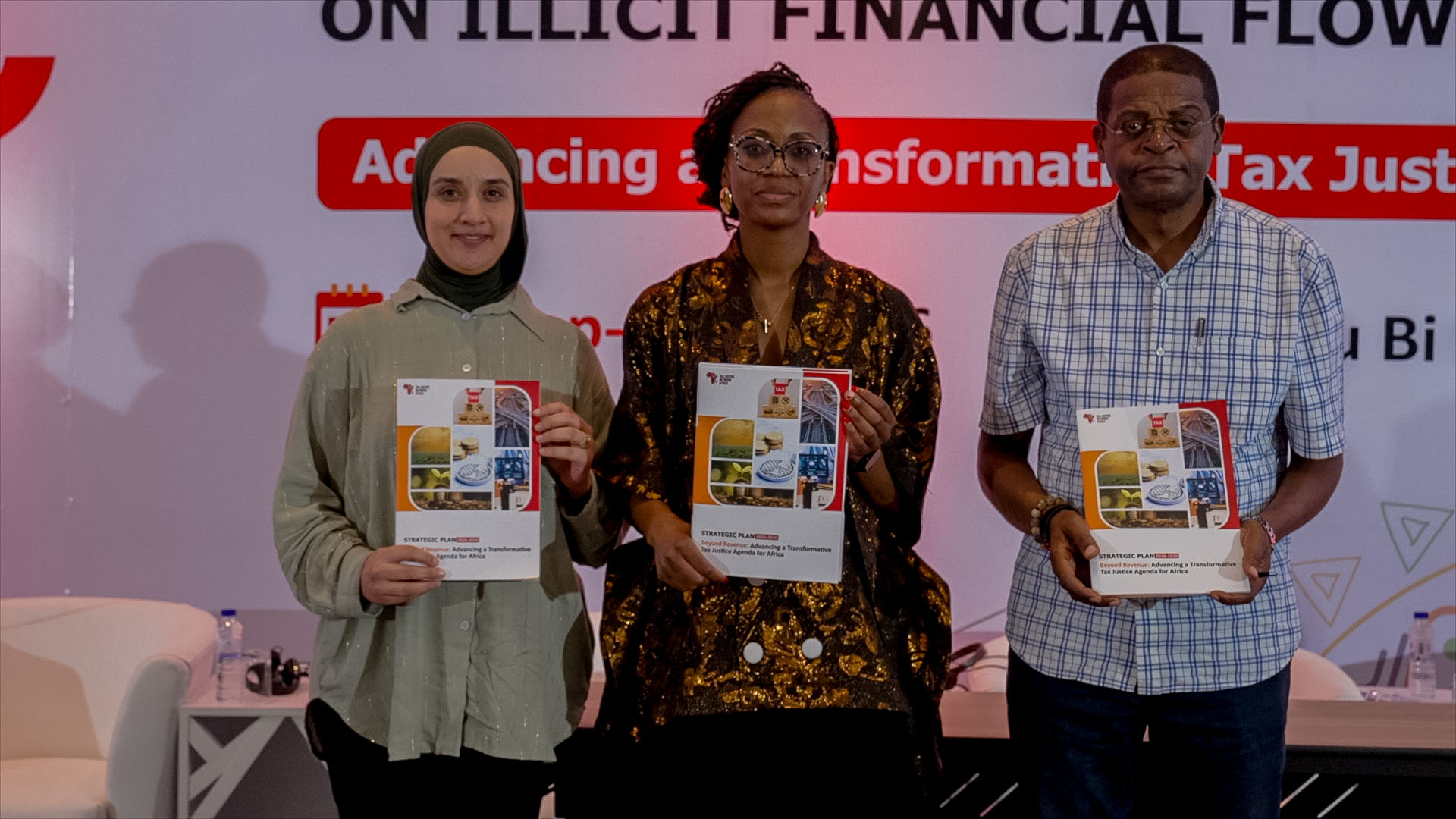
Tax Justice Network Africa (TJNA) has called for the urgent restructuring of the global financial system to empower both the Africa Group and the global south and ensure their full and equal participation in decision-making processes.
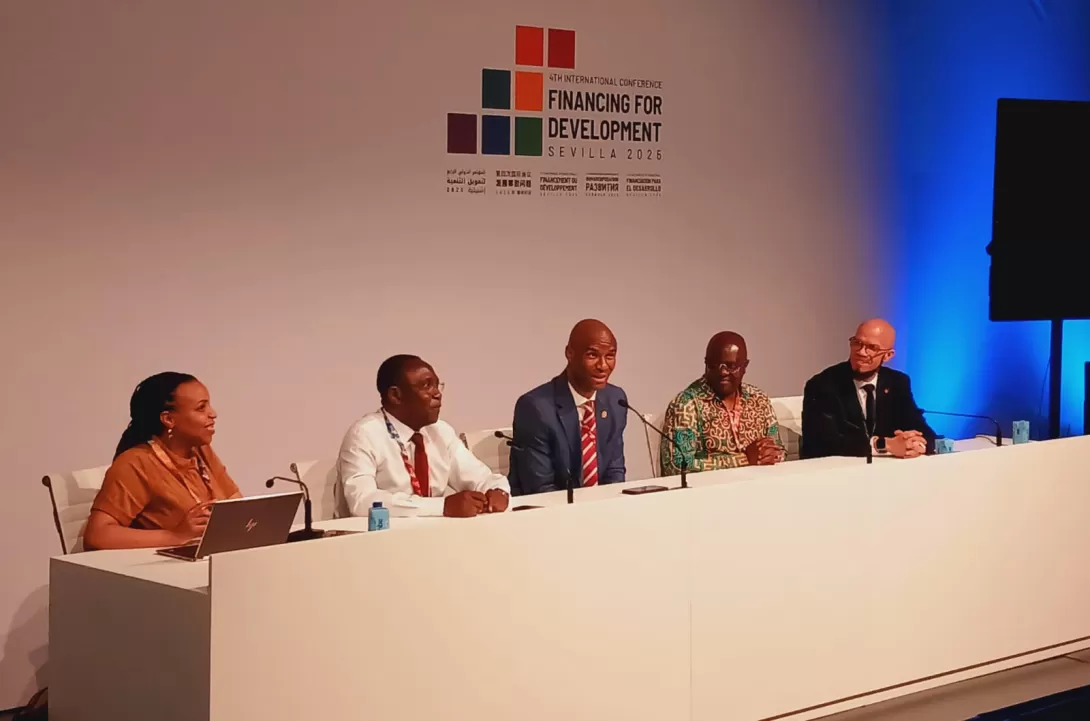
This call was amplified during the Fourth International Conference on Financing for Development (FfD4) in Seville, Spain, on 2 July 2025.
Speaking at a high-level side session titled “Financing Africa’s Development: The Role of Reforming the Global Financial Architecture,” TJNA’s Executive Director, Ms. Chenai Mukumba, stressed that meaningful progress must go beyond rhetoric to reshape the rules and structures that have long governed the global economy in ways that disadvantage the Global South.
She emphasised that reforming the global financial architecture is not a future aspiration, but an urgent necessity. As part of this, TJNA supports a UN Framework Convention on International Tax Cooperation a platform where all countries, especially those in the Global South, can participate on equal footing in shaping international tax rules.
“We are not asking for charity; we are demanding fair rules,” said Ms. Mukumba noted. She highlighted the historical exclusion of African countries from global tax rulemaking and called the current momentum around the UN Tax Convention a crucial opportunity for inclusion and fairness.
At the time of FfD4, Africa faced a staggering annual financing need of approximately $1.3 trillion to meet the Sustainable Development Goals (SDGs) by 2030, alongside up to $250 billion annually for climate commitments. Yet, despite these clear needs and a well-articulated reform agenda from African delegates, the conference concluded with underwhelming outcomes, offering little in the way of new financing or binding commitments.
The reason for this failure was not a lack of ambition from the Global South and the African group, but rather resistance from Global North countries, particularly on structural reforms such as reforming the institutional and governance structures of the international financial architecture, international tax cooperation, debt cancellation , and the decoupling of Special Drawing Rights (SDRs) from the IMF quota system amongst others.
“Africa came to the table with clear priorities and solutions. Yet, the failure to match commitments with resources reinforces a system that continues to leave the continent behind. Reform of the global financial architecture is not optional, it is essential for Africa’s survival and sovereignty,” TJNA’s Senior Policy Officer, Ms. Everlyn Muendo said.
Throughout the negotiations, Global North actors resisted binding commitments and structural changes that would shift power and resources toward the developing countries. This resistance diluted many of the African bloc’s proposals, including stronger frameworks for climate finance, tax justice, and democratic governance of international financial institutions.
Africa’s economic vulnerability is worsening. The continent’s public debt rose from 54.5% of GDP in 2019 to over 63% in 2023, while tax-to-GDP ratios remain low, averaging just 14%. With falling inflows of foreign direct investment, remittances, and official development assistance, many African governments are unable to finance essential public services such as health, education, and infrastructure.
Acting Director of Economic Development at the African Union Commission, Dr. Patrick Ndzana Olomo stressed:
“International tax cooperation is not just a technical issue; it is central to Africa’s ability to mobilise domestic resources and combat illicit financial flows. This is about equity, justice, and a global tax system that includes our voice at the table.”
Despite these urgent needs and Africa’s unified presence at FfD4, the conference ultimately failed to deliver. Instead of a breakthrough, it became yet another missed opportunity, largely because Global North countries refuse to support meaningful redistribution of financial power.
“The promises made in Seville risk becoming yet another chapter in the long history of international inaction,” said Ms. Mukumba.
TJNA remains firmly committed to building a just and inclusive global financial system. It will continue to champion reforms that promote equity, dismantle structural inequalities, and ensure that taxation and financial governance serve as tools for sustainable and people-centered development.
For more information on the FfD4 side session on “Financing Africa’s Development: The Role of Reforming the Global Financial Architecture, please contact Everlyn Muendo at emuendo[@] taxjusticeafrica.net.
