
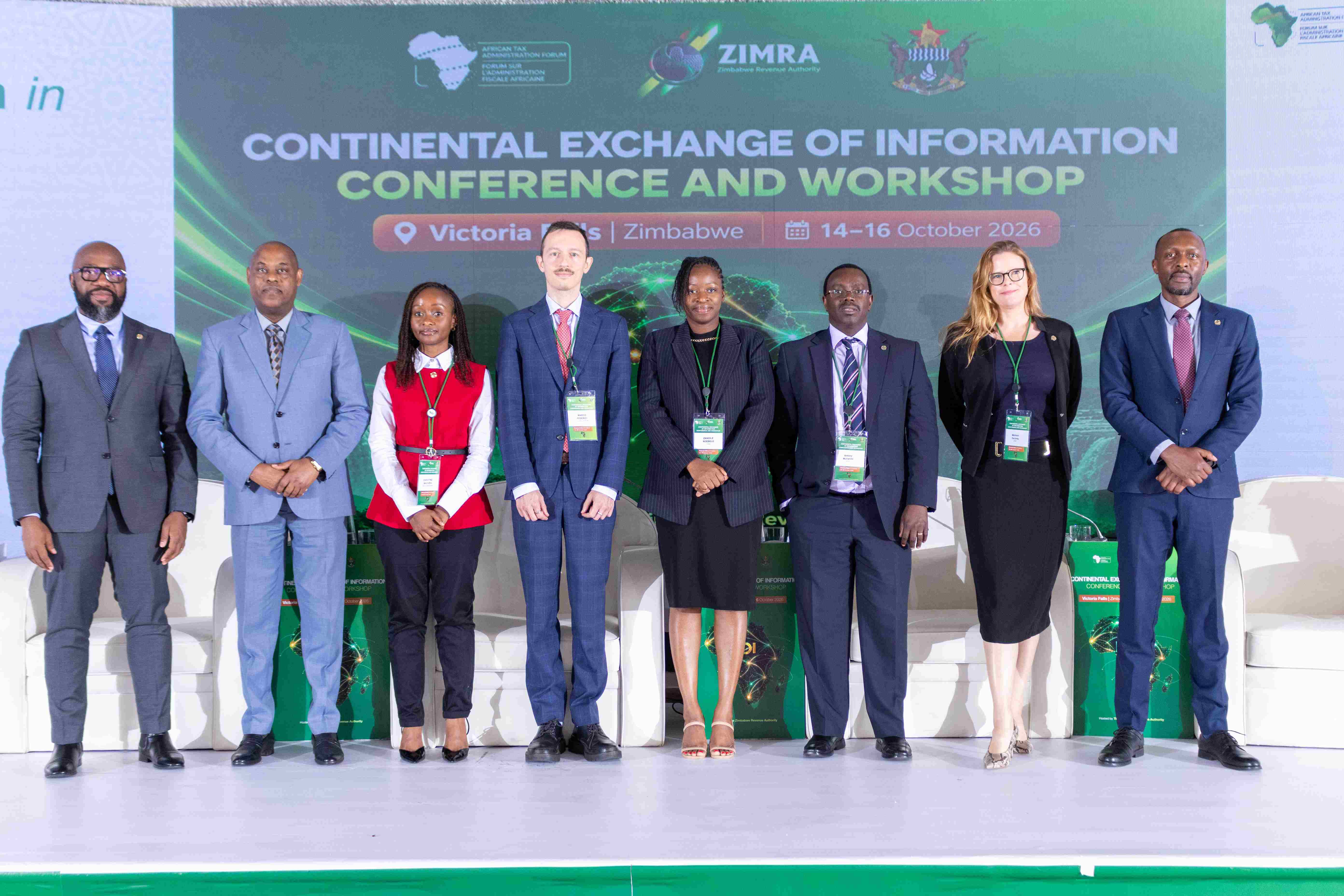


Recognising the urgent need for equitable fiscal systems that can respond to social injustice and climate vulnerability, tax experts and advocates have called for greater focus on how tax systems affect women and the environment.
This call was made during the Fair Tax Monitor (FTM) session titled “Assessing the Fairness and Equitability of Tax Systems: Environmental and Gender Considerations,” held on Thursday, 24 July 2025, at the Addis Tax Initiative (ATI) General Assembly.
Co-organised by Oxfam, Tax Justice Network Africa (TJNA), and the ATI Secretariat, the session brought together tax experts, policymakers, and civil society leaders from across Africa and beyond to explore how national tax systems can better serve the goals of fairness, equality, and sustainability.
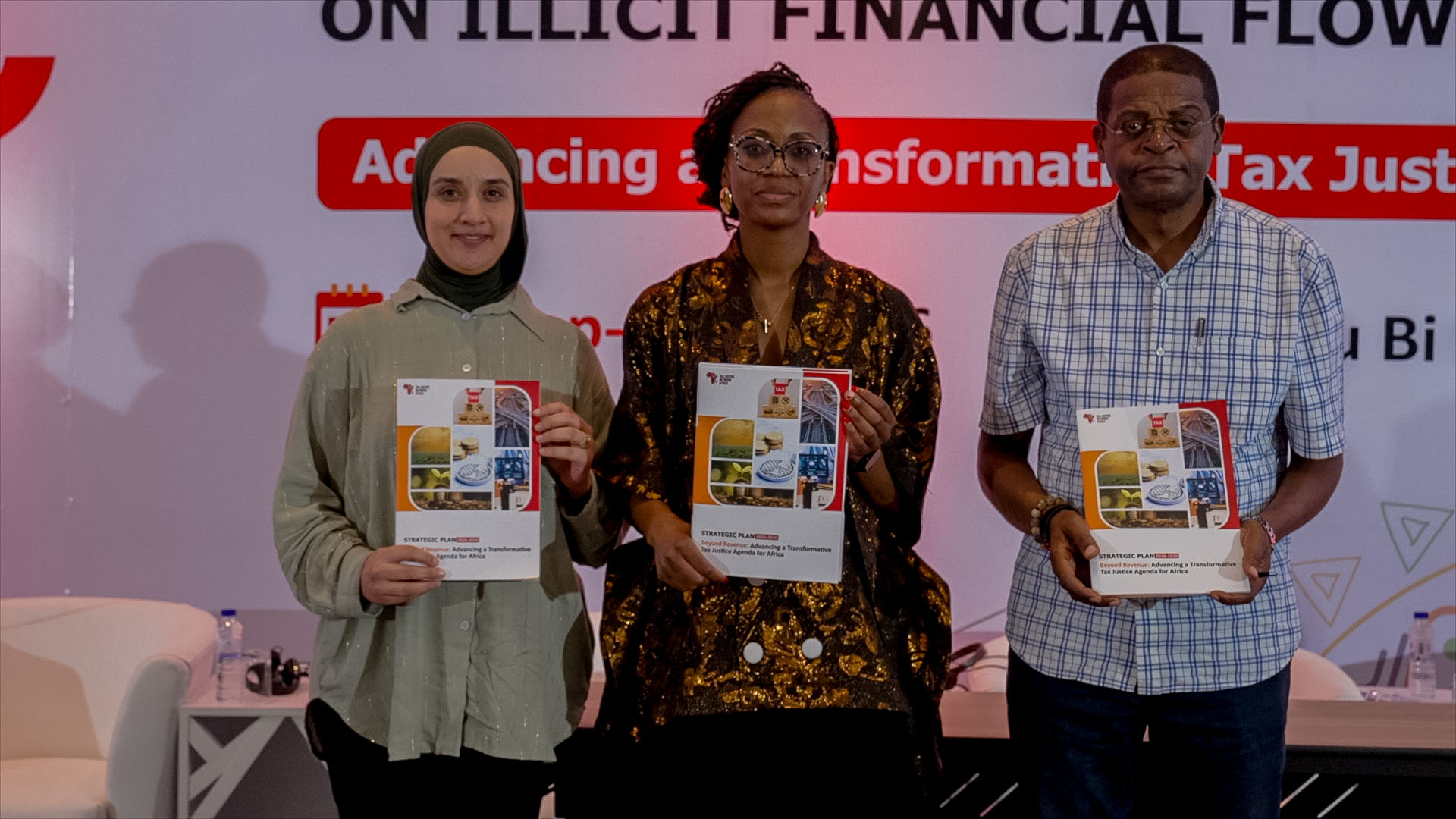
The session introduced the Fair Tax Monitor (FTM), a research and advocacy tool co-developed by Oxfam and TJNA. Originally focused on six key pillars of tax fairness and effectiveness, the FTM has since evolved to include new thematic chapters exploring cross-cutting concerns, particularly Gender and Tax, and Green Taxation.
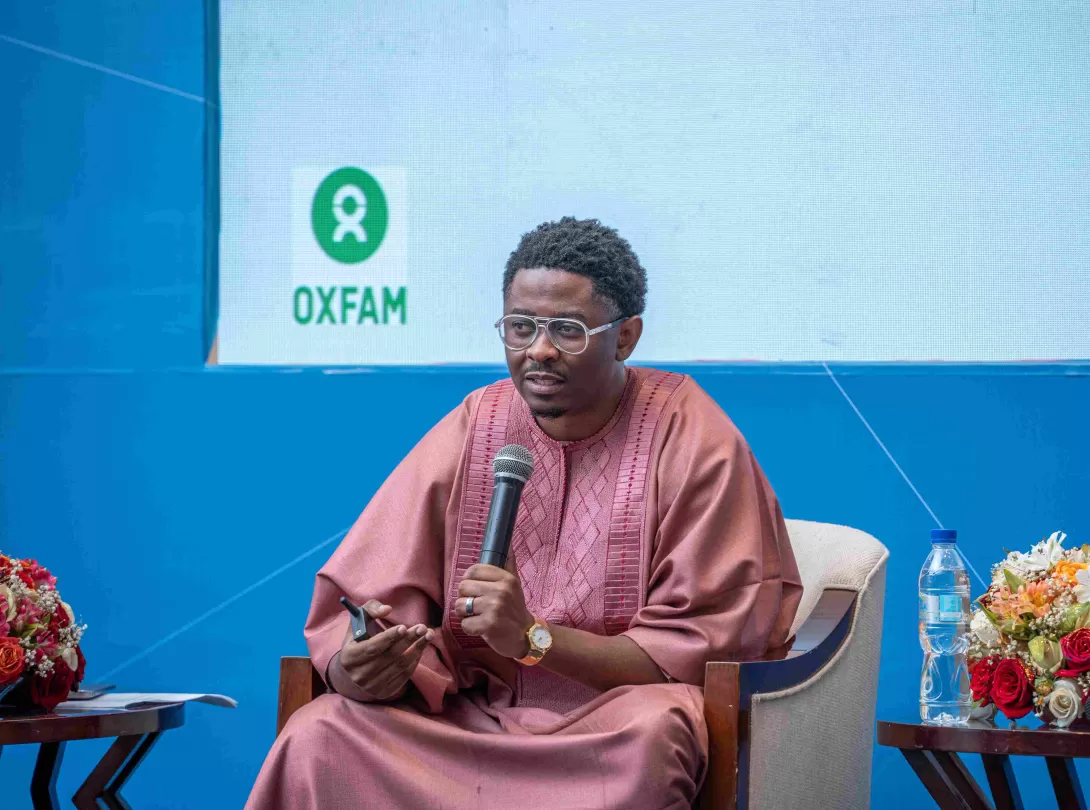
Speaking at the session, Oxfam Novib’s Policy Advisor on tax and inequality, Mr. Henrique Alencar, emphasised that taxation is not a gender-neutral policy tool. Women and men experience the impacts of tax differently, often due to existing economic and social inequalities. Without deliberate efforts, tax systems may reinforce these inequalities.
Mr. Henrique spotlighted the 2022 Zambia Gender FTM report, which provides a comprehensive gender analysis of Zambia’s tax system. Following the report, the Ministry of Finance in Zambia adopted a key recommendation: the integration of gender-disaggregated data collection into fiscal policy development. This move marked a significant step toward building more inclusive and gender-sensitive tax systems in Africa.
However, he noted that the concept of tax and gender remains abstract to many, particularly in the absence of adequate data. In response, TJNA, Oxfam, and Expertise France are collaborating under the Gender Equality in Taxation (GET) project to produce three additional Gender FTM reports in Benin, Cameroon, and Senegal. These country studies, led by local civil society partners, are expected to strengthen national efforts toward tax equity and gender justice.
Further, the session delved into the growing conversation around environmental taxation, which has become increasingly relevant as African countries grapple with the twin challenges of climate change and domestic resource mobilisation.
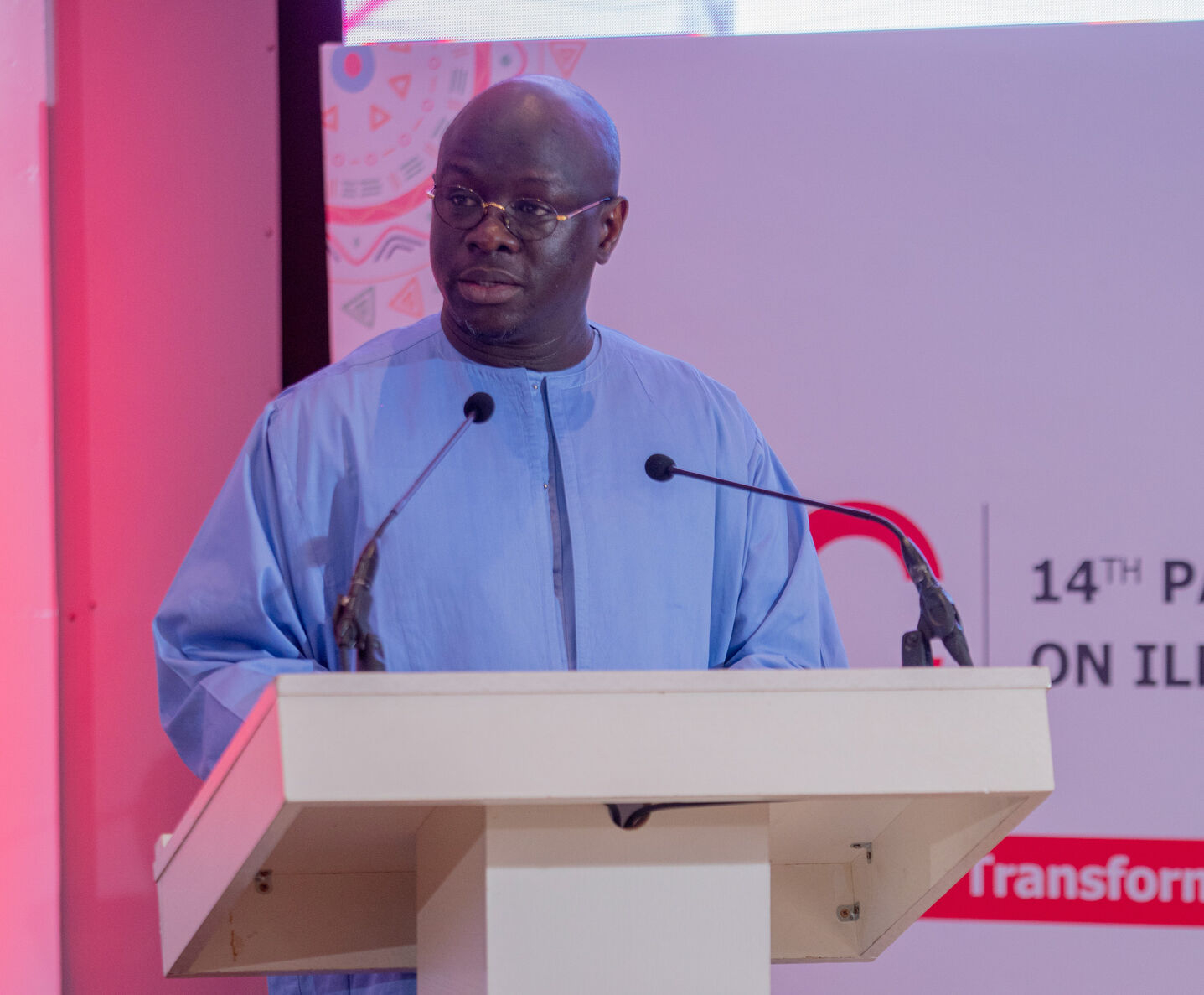
While environmental taxes have the potential to address environmental degradation and raise much-needed revenue, TJNA’s Senior Policy Officer, Mr. Ishmael Zulu, warned of the double-edged nature of such policies. Poorly designed environmental taxes, such as blanket fuel taxes, can increase the cost of living for low-income populations. Conversely, well-structured green taxes, like those on luxury emissions (e.g., aviation), can curb environmental harm without hurting the poor.
“The top 10% of global emitters are responsible for almost half of all carbon emissions,” Mr. Zulu said. “Yet it is African countries contributing the least that suffer the most from climate impacts.”
Considering these disparities, the Green Taxation chapter of the FTM aims to equip policymakers with tools to design environmental taxes that are fair, effective, and socially responsible. It also calls for progressive use of revenue, such as investing in climate adaptation, clean energy, and social protection programmes. The chapter is currently being piloted in Kenya, with publication expected by the end of the year.
Throughout the session, a recurring theme was the power of research to inform policy change. It was agreed that strengthening the evidence base around gender and green taxation is essential for moving beyond abstract debates to actionable solutions.
“Fair taxation is not only a technical exercise but a matter of social justice and democratic accountability,” Mr. Zulu added.
Further, he reinforced that addressing systemic inequality through tax policy requires bold thinking, inclusive dialogue, and transformative political will. “We cannot achieve justice without fiscal justice,” he remarked. “That means building tax systems that reflect the lived realities of women, marginalised communities, and those most impacted by climate change.”
The FTM session served as a timely reminder that the future of taxation must be both fair and forward-looking. By integrating gender and environmental considerations, African countries have a unique opportunity to design tax systems that not only raise revenue but also promote dignity, equity, and resilience.
TJNA remains committed to building a new Africa where tax justice prevails. Working alongside civil society, researchers, and governments, the organisation continues to push for progressive tax reform, climate-responsive policies, and inclusive fiscal governance that leaves no one behind.
For more information about the Addis Tax Initiative (ATI) General Assembly session, please contact Ishmael Zulu at izulu[@]taxjusticeafrica.net.
