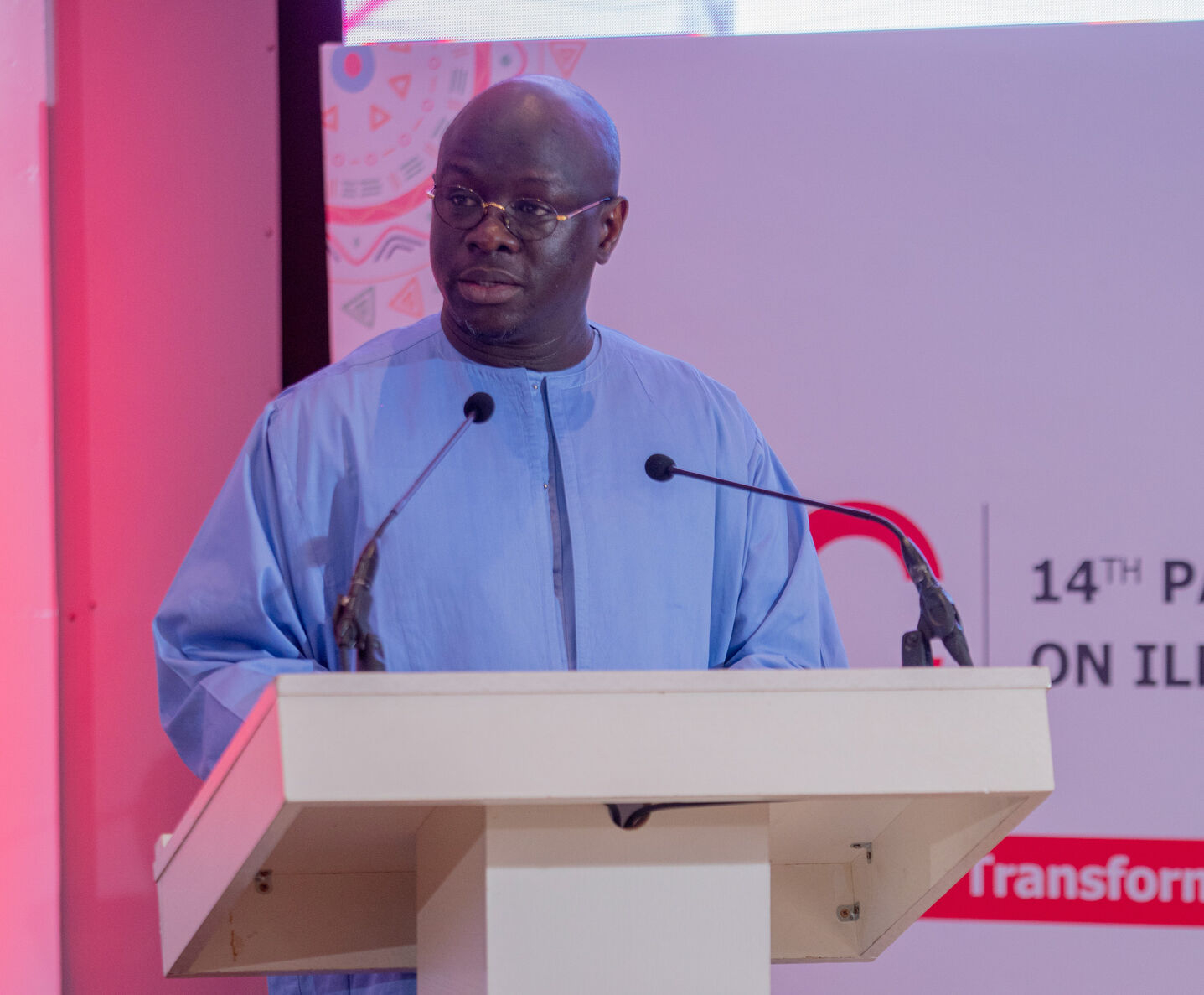
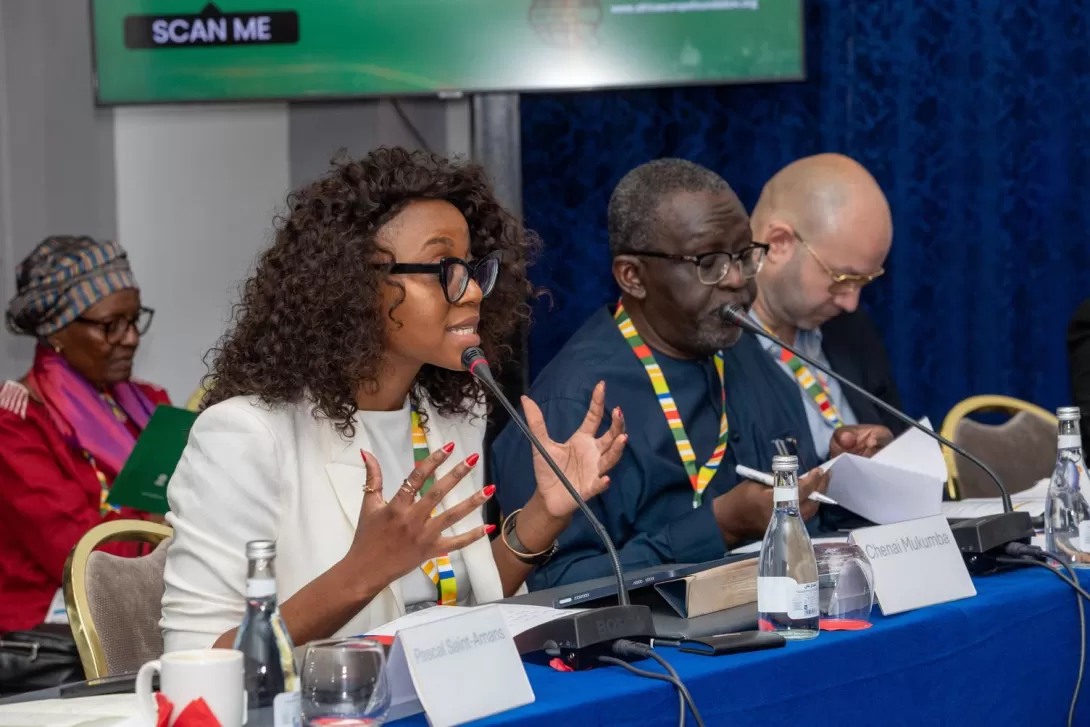
Tax Justice Network Africa (TJNA), in partnership with the Africa-Europe Foundation (AEF), co-hosted a High-Level Roundtable Meeting on co-driving International Tax Cooperation with South Africa’s G20 Presidency. The meeting was held on 1 June 2025, as part of the Ibrahim Governance Weekend (IGW) in Marrakech, Morocco, and with participation by the UN DSG, CEO of AUDA APRM, Dr Adeyemi, and Pascal Saint Aman.
The open roundtable brought together African and European leaders, policymakers, economists, and civil society actors to articulate Africa’s crucial priorities in global tax and financial reform processes. This significant session formed part of the broader momentum building towards the Fourth International Conference on Financing for Development (FfD4), slated for Seville, Spain, in July 2025.
The dialogue at the roundtable reaffirmed the enduring significance of the Mbeki Report on IFFs and called for support towards the establishment of a UN Framework Convention on International Tax Cooperation to ensure fairer rules and greater African representation. Participants reiterated that robust multilateral cooperation and strong solidarity between Africa and Europe are indispensable for addressing these systemic global challenges.
A critical area of discussion focused on curbing illicit financial flows (IFFs), which continue to deprive Africa of an estimated $88 billion annually. Tackling these illicit flows was identified as fundamental to expanding Africa’s fiscal space. It necessitates strengthened governance, increased transparency, and crucially, the adoption of technology-driven solutions, including artificial intelligence and advanced data tracking tools to effectively detect fraud and monitor IFFs.
The imperative of enhancing domestic resource mobilisation (DRM) also featured prominently, with the aim of reducing Africa's reliance on external aid and accumulating debt. Discussions noted that Africa requires approximately $1.3 trillion annually to achieve the Sustainable Development Goals (SDGs), yet current domestic and international financing mechanisms can only mobilise about half of this amount. Therefore, there was a need for systemic reform of the financing financial architecture.
Speaking during the meeting, TJNA’s Executive Director, Ms. Chenai Mukumba, stressed that the momentum around a UN Framework Convention on International Tax Cooperation is vital as it offers an unparalleled opportunity to place all countries, regardless of income level, on an equal footing in negotiating global tax rules. For Africa, she noted, this could be a transformative game-changer, but its success hinges on collective unity, bold ambition, and a well-defined strategy.
“At TJNA and within the IFF Working Group, we’re actively engaging with African institutions and governments to ensure that Africa not only has a seat at the table, but is also co-driving the agenda. This means defining our own priorities: tackling aggressive tax avoidance, pushing for automatic exchange of information that works for our contexts, and advocating for global minimum taxes that don’t erode our tax bases further,” she added.
Despite these formidable hurdles, Africa’s economic resilience was acknowledged, with notable progress in economic growth, inflation control, and debt management. However, with fewer than 6% of SDG targets currently on track, the urgent need for comprehensive, inclusive, and fair reforms—reflecting Africa’s profound development ambitions—remains a top priority.
This timely dialogue was orchestrated in collaboration with South Africa’s National Treasury, the Africa-Europe IFF Working Group, and other strategic partners. Its core objective is to align Africa’s voice across major 2025 milestones, including the upcoming AU-EU Summit and the FfD4.
For more information about the event and the FfD4 process, please contact Everlyn Muendo at emuendo[@]taxjusticeafrica.net.
