
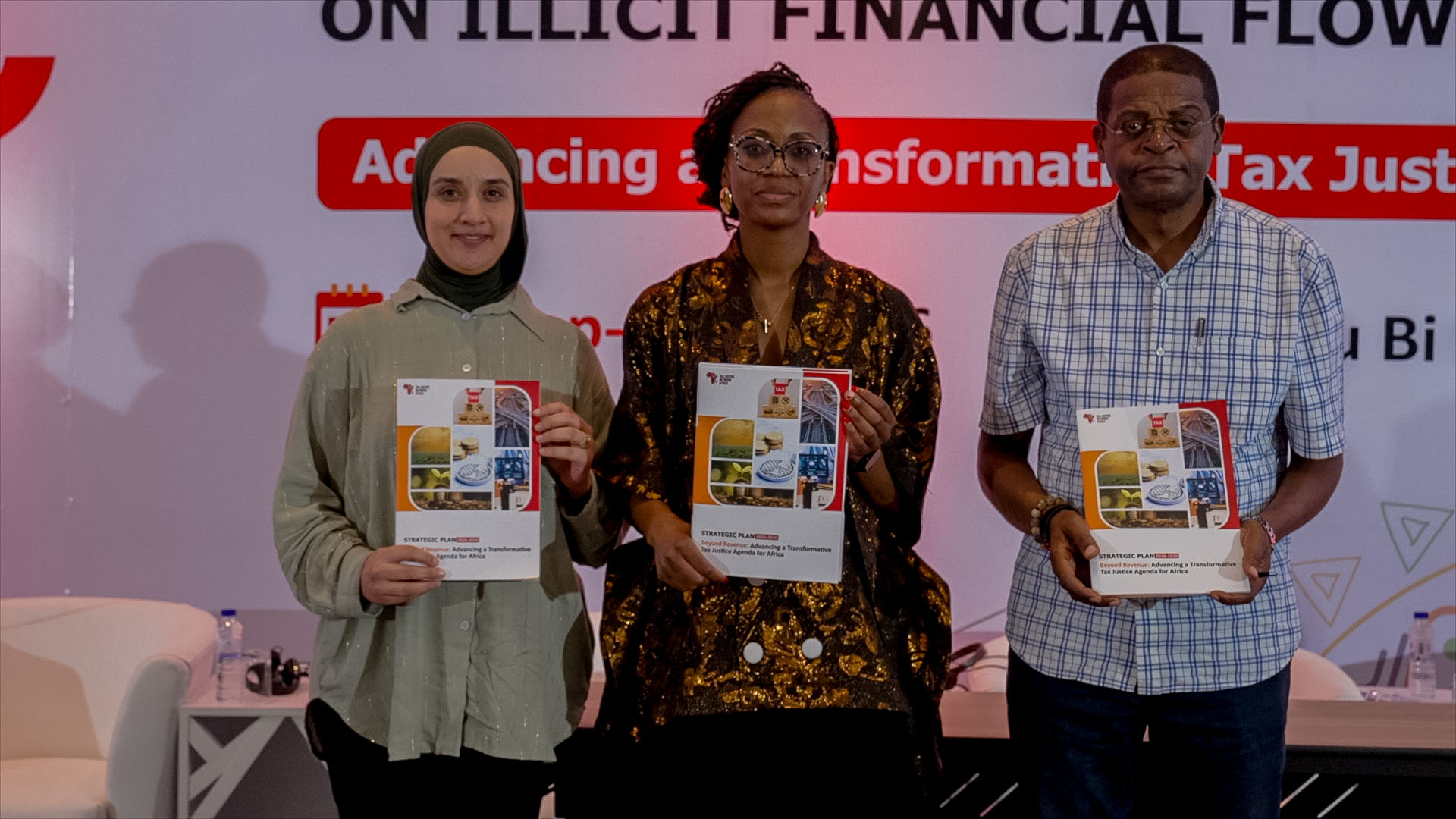
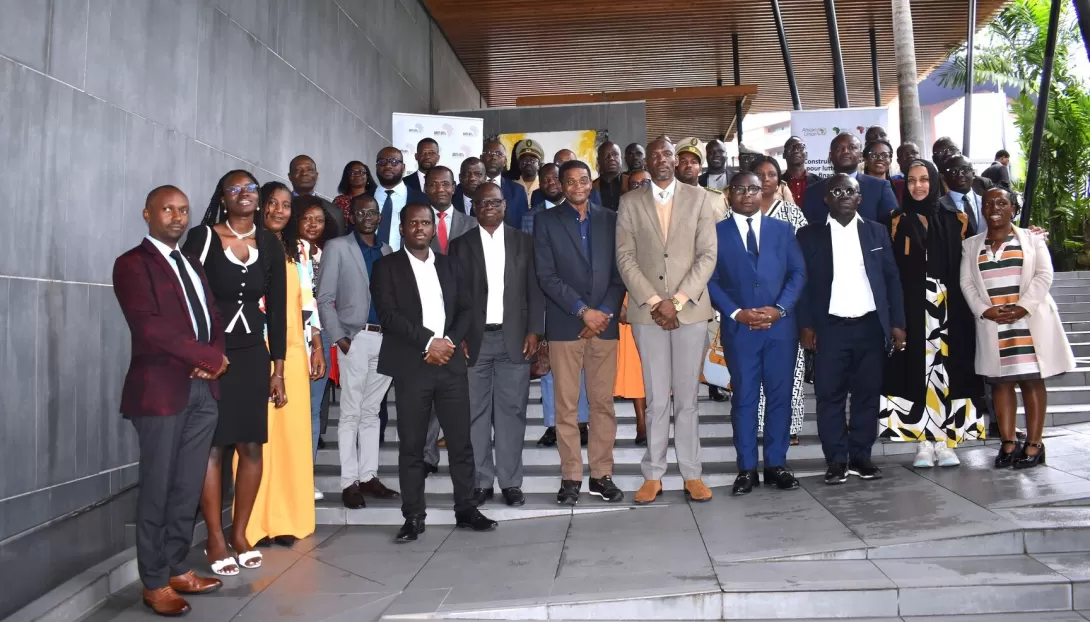
Key government institutions in Côte d’Ivoire, led by the Ministry of Finance and CENTIF Côte d’Ivoire, officially validated the Anti-IFFs Policy Tracker during a national workshop held in Abidjan from 21 to 23 July 2025.
The event marked the fourth piloting workshop of the Policy Tracker and notably, the first-ever in a Francophone African country. These efforts accentuated Côte d’Ivoire’s leadership and strengthened its resolve to combat illicit financial flows (IFFs) through data-driven, collaborative, and policy-focused strategies.
The workshop was co-organised by the Tax Justice Network Africa (TJNA), the African Union Commission’s Department of Economic Development, Trade, Tourism, Industry, and Minerals (AU-ETTIM) and the Africa Tax Administration Forum (ATAF), with support from the Ivorian Ministry of Finance and CENTIF Côte d’Ivoire. It convened key representatives from government institutions involved in tax, financial regulation, anti-corruption, statistics, and policy formulation.
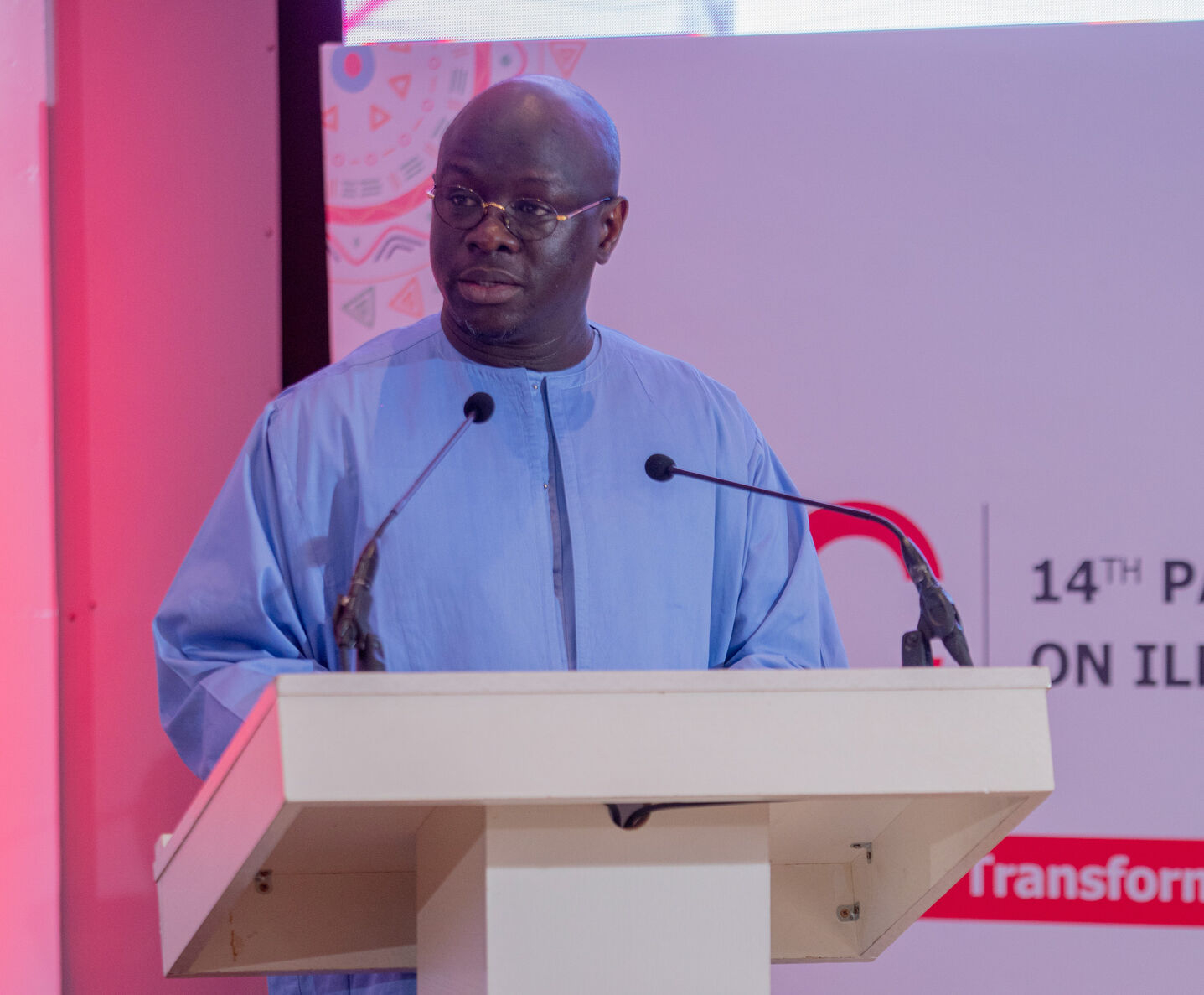
In his opening remarks, TJNA’s Executive Council Chairperson, Mr. Jean Mballa Mballa, emphasised the significance of the Côte d’Ivoire pilot in the broader continental fight against IFFs and tax injustice.
“This pilot is more than a technical exercise; it is a political statement,” he stated.
“It shows that African institutions, working together, can design tools, generate data, and shape policies that reflect our realities and priorities. Côte d’Ivoire is not just participating; it is leading the way for Francophone Africa. Our goals are clear: assess existing policies, identify vulnerabilities in our financial systems, and produce concrete recommendations to improve our collective effectiveness. I encourage you to share your experiences, challenges, and successes, because only together can we build a fairer and more prosperous Africa.”
The African Union Commission Tax and Domestic Resource Mobilisation Adviser, Ms. Luckystar Miyandazi, stressed that no African country is immune to the effects of IFFs, with Côte d’Ivoire facing particularly acute challenges.
“In Côte d’Ivoire, the scale of illicit financial flows is staggering. Between 2004 and 2013, the country lost an average of $2.3 billion annually, largely due to money laundering, tax evasion, tax avoidance, and its role as a transit country for drugs and related illicit activities,” she stated.
“However, today, we are not just highlighting the problem; we are equipping ourselves with the right tools, policies, and collaboration. The policy tracker tool is not standalone. It will feed into our ongoing efforts to review strategies on tax and illicit financial flows across the continent.”
The representative of the CENTIF President, Major Divisional Commissioner Djobi Irié François, urged participants to engage constructively with the Anti-IFFs Policy Tracker, highlighting its broader significance for the continent’s development:
“I challenge you to be honest over the next three days, to analyse the tracker, the reality of our country, and how it applies. I know there are different platforms and contexts across African countries. That is why your input, insight, and honest feedback will greatly help in strengthening the review of the tracker and Cote d’Ivoire.”
Government representatives in Côte d’Ivoire used the tool to self-assess, discuss their respective institutional mandates, and identify key recommendations to strengthen national anti-IFF strategies.
Speaking during the validation process, ATAF’s Tax Audit Specialist, Dr. Nyah Zebong, lauded the Ivorian delegation for their engagement and emphasized the Policy Tracker’s strategic role in enhancing domestic resource mobilisation.
“IFFs continue to deprive African countries of much-needed revenue. Côte d’Ivoire’s commitment to this tool is a positive sign. With better coordination and stronger frameworks, we can curb illicit financial flows and strengthen state capacity to fund critical sectors,” he said.
The Anti-IFFs Policy Tracker aligns with Africa’s broader push for fiscal sovereignty. As the continent advocates for a more inclusive international tax framework through the UN, tools like this are essential for building evidence, mobilising political will, and demonstrating progress. Civil society and governments must move in lockstep.
Related articles
African Union to support the roll-out of TJNA’s anti-IFFs policy tracker tool
African Union to work with TJNA to roll out Africa’s anti-IFFs policy tracker tool
For more information about the Anti-IFFs Policy Tracker, please contact Francis Kairu at fkairu[@]taxjusticeafrica.net
