Every year, Africa loses billions of dollars through corruption, illicit financial flows (IFFs), tax abuse, trade misinvoicing, and financial secrecy, resources that could otherwise finance quality healthcare, education, infrastructure, climate resilience, and decent livelihoods. The consequences are felt far beyond government balance sheets. They are reflected in overcrowded classrooms, under-resourced hospitals, inadequate public services, and missed opportunities for millions of Africans.
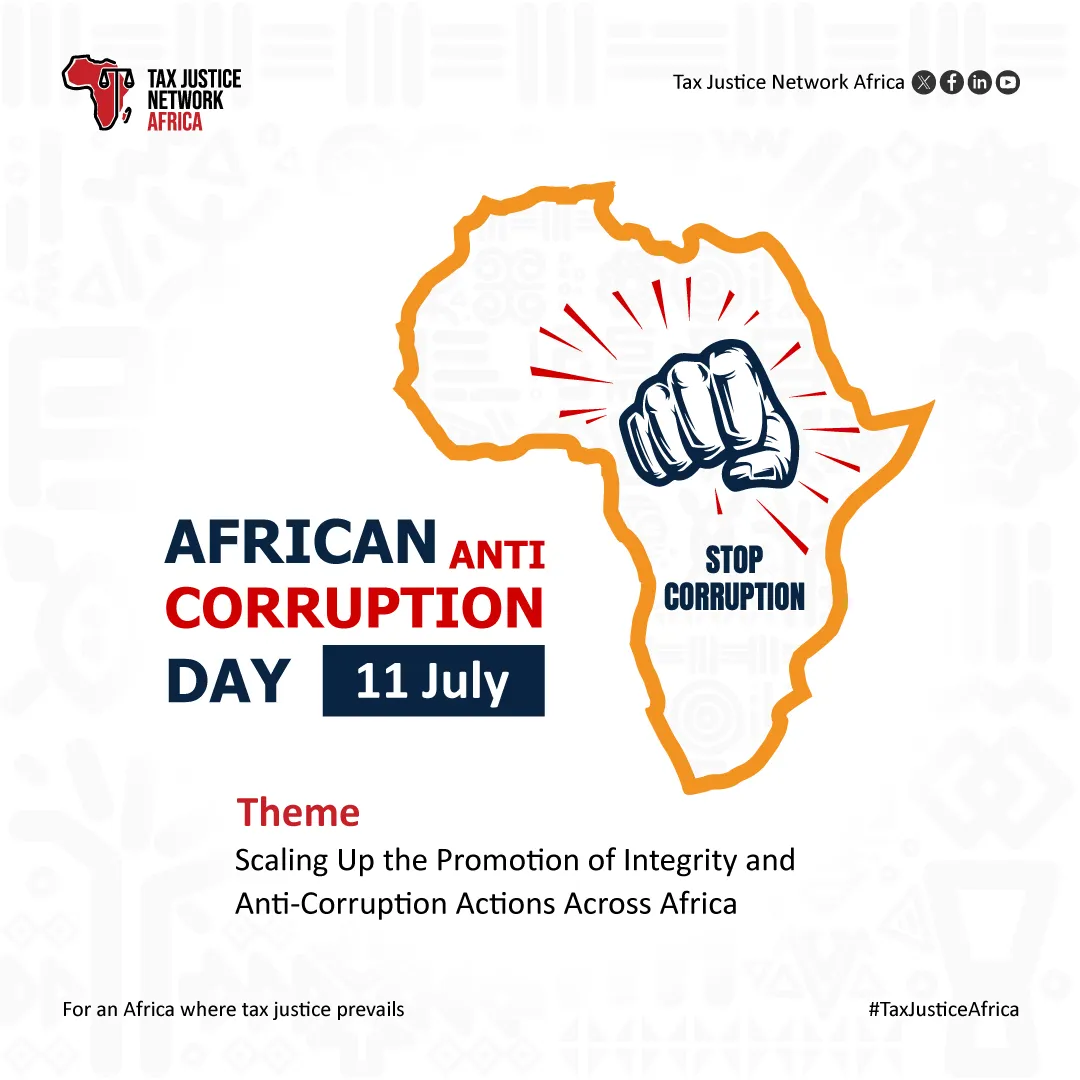
As Africa commemorates African Anti-Corruption Day on 11 July, this year's theme, "Scaling Up the Promotion of Integrity and Anti-Corruption Actions Across Africa," presents an important opportunity to rethink how the continent approaches the fight against corruption. While corruption is often understood through acts such as bribery, embezzlement, and abuse of public office, its impact is amplified by financial systems that allow wealth to be hidden, shifted across borders, or transferred out of Africa through illicit means.
For Tax Justice Network Africa (TJNA), promoting integrity requires looking beyond conventional anti-corruption measures. It demands addressing the systemic weaknesses that enable illicit financial flows, aggressive tax avoidance, profit shifting, trade misinvoicing, and financial secrecy to drain public resources from African economies. These practices reduce governments' ability to mobilise domestic resources and weaken their capacity to finance sustainable development.
The urgency of this challenge is well recognised globally.
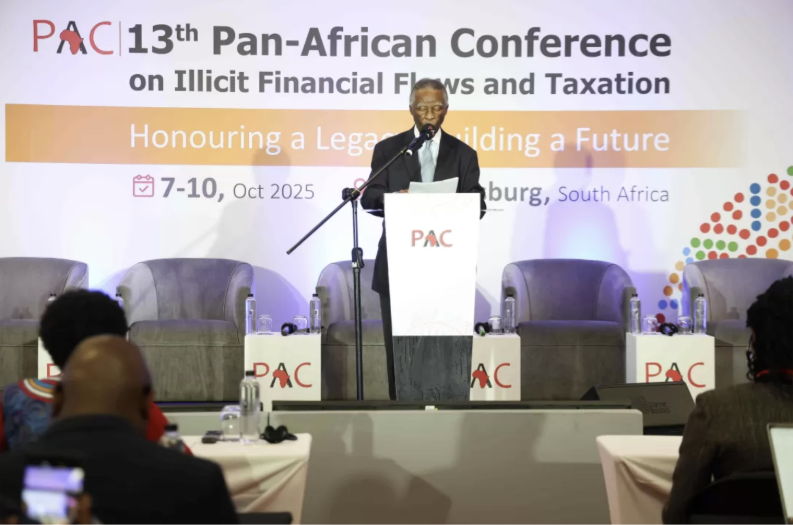
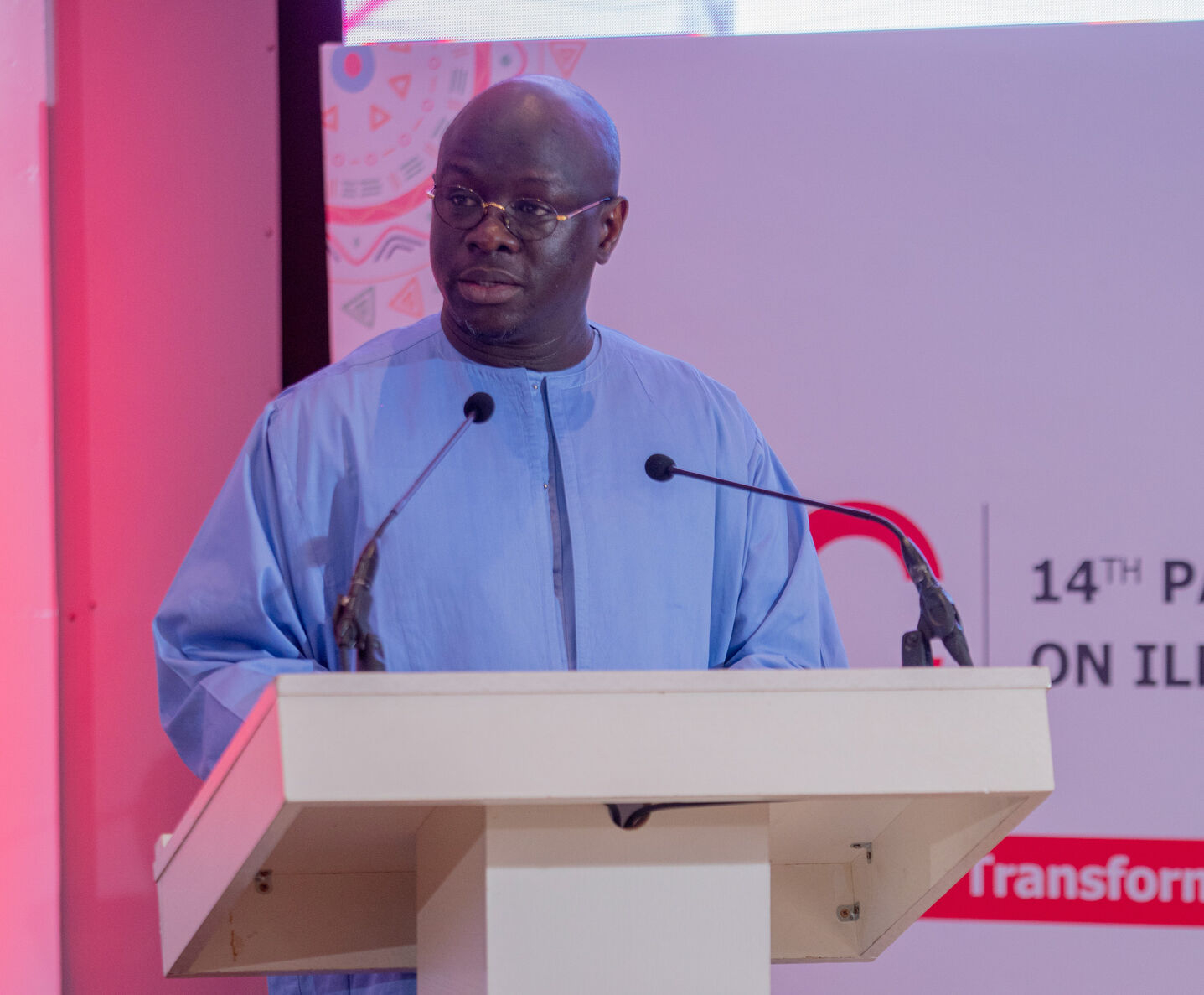
Reflecting on more than a decade of efforts to combat IFFs, former South African President H.E. Thabo Mbeki reminded delegates at the 13th Pan-African Conference on Illicit Financial Flows and Taxation (PAC 2025) that while significant progress has been made in raising awareness, Africa must intensify efforts to stem the illicit outflow of its wealth.
" When the HLP submitted its Report in 2015, and as had been the desire of the ECA/AU Ministers of Finance, Economic Planning and Development when they decided on the establishment of our Panel, it made visible what had for too long been hidden, which was the massive haemorrhaging of Africa’s resources through illicit financial flows. The Report showed that the IFFs were not an abstract problem, but a very real drain on Africa’s capacity to finance its own development, provide social services, and build the industries and infrastructure necessary for the prosperity of Africa’s peoples," said H.E. President Thabo Mbeki.
The Panel's landmark report estimates that Africa loses more than US$50 billion annually through illicit financial flows, resources that could otherwise finance healthcare, education, infrastructure, and other essential public services. The report also calls for stronger governance, greater transparency, and fairer tax systems to stem these losses.
These losses carry profound human and economic consequences. Every dollar lost through corruption or illicit financial flows represents fewer medicines in hospitals, fewer teachers in classrooms, fewer roads and water systems, and fewer opportunities for young people. As African countries pursue the aspirations of Agenda 2063 and the Sustainable Development Goals, protecting domestic resources has become not only a governance priority but a development imperative.
Building integrity therefore requires more than stronger anti-corruption laws or more effective enforcement. It also requires fair, transparent, and accountable tax systems that ensure individuals and businesses, including multinational corporations and high-net-worth individuals, contribute their fair share of taxes where economic value is created.
TJNA continues to champion policy reforms that strengthen domestic resource mobilisation and close the channels through which illicit financial flows occur. Working alongside governments, policymakers, civil society organisations, journalists, researchers, and regional institutions, the network advocates for equitable international tax rules, greater financial transparency, stronger beneficial ownership frameworks, and policies that enable African countries to retain and effectively manage their own resources.
One of TJNA's flagship initiatives in this regard is the Anti-IFFs Policy Tracker, an innovative platform that supports African countries in monitoring progress towards implementing policies aimed at combating illicit financial flows. The Tracker helps identify policy gaps, promotes peer learning, and provides evidence to strengthen national and regional responses to financial crimes that undermine sustainable development.

Reflecting on the significance of African Anti-Corruption Day, TJNA Executive Director, Ms Chenai Mukumba, emphasised that strengthening integrity must include protecting Africa's public finances.
"Corruption and IFFs undermine Africa's ability to finance its own development. Every resource lost through corruption or tax abuse is a missed opportunity to invest in health, education, social protection, and decent livelihoods. Advancing tax justice means strengthening transparency, accountability, and fairness so that Africa's wealth works for its people. This African Anti-Corruption Day, we call for bold action to close the loopholes that enable illicit financial flows and to build tax systems that inspire public trust and drive sustainable development."
Africa cannot sustainably finance its future while billions continue to disappear through corruption, tax abuse, and IFFs. This African Anti-Corruption Day, TJNA calls on governments, policymakers, businesses, and citizens to strengthen transparency, close financial loopholes, and build tax systems that ensure Africa's wealth remains in Africa and works for Africa's people.
As TJNA continues to work with partners across the continent and globally, it remains committed to advancing policies that curb illicit financial flows, strengthen domestic resource mobilisation, and promote transparent and accountable public finance. Because when integrity guides public finance, tax justice becomes more than a fiscal objective, it becomes the foundation for equitable, inclusive, and sustainable development.
For more information about the Anti-IFFs Policy Tracker, please contact Aya Douabou at adouabou@taxjusticeafrica.net
