Since the landmark 2015 report on illicit financial flows (IFFs) from Africa, there has been a growing awareness of the scale and impact of these financial losses. Before this report, discussions about Africa’s resource outflows often focused on corruption and the misuse of funds.
However, the findings revealed a far more damaging reality: multinational corporations are at the center of vast financial outflows through tax evasion, avoidance, and other complex financial practices. This revelation was a wake-up call for the continent and the global community.
Reflecting on the journey that brought this issue to the forefront, I can recall the 2010 conference in Malawi. What began as a small meeting to hear findings from Global Financial Integrity unexpectedly drew over 200 attendees, many standing to listen. This overwhelming interest signalled that the issue of illicit financial flows had struck a deep chord. That gathering helped push the agenda of tackling IFFs onto the African Union’s priorities. Soon after, in 2011, the High-Level Panel on Illicit Financial Flows was established, culminating in the pivotal report we now recognise.
Under the leadership of former President Thabo Mbeki, the panel moved beyond research to decisive action. Traveling across Africa, Europe, the United States, and the United Nations, members shared their findings and challenged existing narratives. They shifted the global conversation from viewing capital flight as a symptom of weak policies to understanding illicit financial flows as a deliberate system draining Africa’s resources.
One of the panel’s greatest achievements was redefining the discourse, contributing directly to the African Union’s 2015 resolution to address the problem more decisively.
Looking ahead, concerns remain about the global financial architecture’s inherent imbalances, where Africa’s voice is often marginalised. Yet, there is hope in the more democratic spaces offered by the United Nations, which Africa can leverage alongside other Global South countries facing similar challenges.
Africa is no longer on the sidelines. Securing a permanent seat in the G20 represents a significant advancement, offering opportunities to build stronger alliances and elevate the continent’s priorities on the world stage.
The fight against illicit financial flows must also be linked to the broader Sustainable Development Goals. Every dollar lost to IFFs is a dollar stolen from schools, hospitals, and infrastructure critical investments for Africa’s future that cannot be sacrificed.
The African Continental Free Trade Area (AfCFTA) presents a major opportunity to harmonise tax policies and strengthen collective capacity against IFFs. Acting as a unified economic bloc rather than 54 fragmented markets is key to reducing vulnerability to manipulation.
Furthermore, the digital economy demands urgent attention. Corporations like Google, Amazon, and Meta generate billions from African users but contribute disproportionately little to African economies. The Global South must unite to demand fair taxation and accountability from these tech giants.
Unity and strategic alliances remain essential. Bold action is needed not only from governments but also from civil society, experts, and regional bodies such as Tax Justice Network Africa, whose work in raising awareness and pushing for reform is indispensable.
The fight against illicit financial flows transcends money. It is fundamentally about justice, sovereignty, and the future of Africa. Aligning tax and financial systems with development goals is critical. The time to act together and with urgency is now.
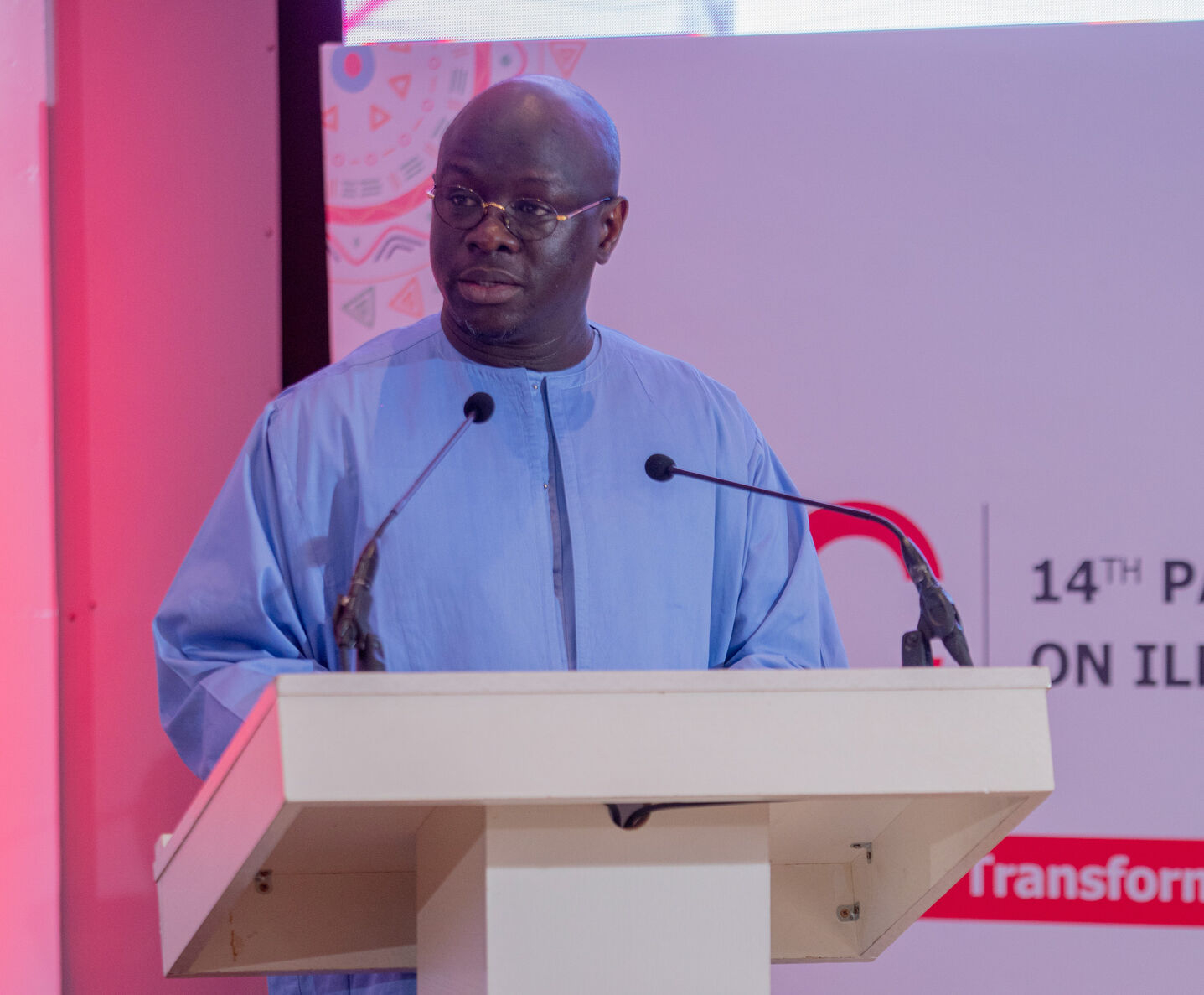
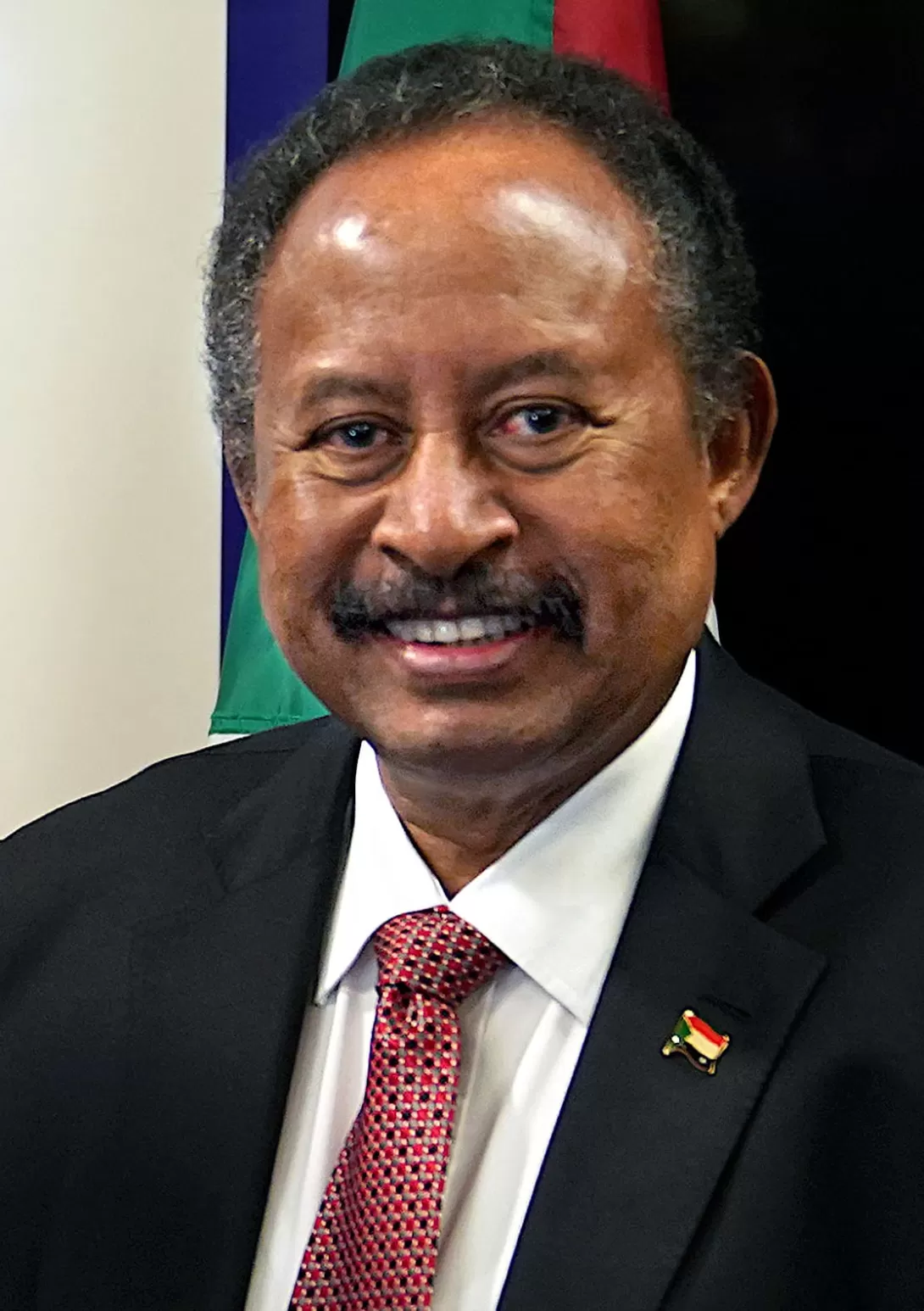
The writer of this article is Prime Minister Hon. Abdalla Hamdock, a Member of the High-Level Panel on IFF from Africa
