The 2015 Report by the High-Level Panel on Illicit Financial Flows (IFF) from Africa marked a critical turning point for the continent in addressing Illicit Financial losses.
For too long, Africa has been viewed primarily as a recipient of Overseas Development Assistance (ODA), but the reality is that the illicit financial outflows from the continent far exceed the aid it receives. This stark contrast highlights the urgency of tackling the problem in Africa’s quest for domestic resource mobilisation.
The United Nations Economic Commission for Africa (UNECA), under the leadership of Mr Abdoulie Janneh as Executive Director and Dr Abdalla Hamdok as Deputy Executive Director, spearheaded the initiative to frontally combat the scourge. In 2011, the Conference of African Ministers of Finance and Economy, in acknowledging the severity of the damage to African economies, mandated the creation of the High-Level Panel to investigate and propose actionable solutions.
The High-Level Panel on Illicit Financial Flows from Africa under the Chairmanship of President Thabo Mbeki, set to work immediately. President Mbeki’s global esteem and relationship with various world leaders played a major role in the work of the Panel and the global attention its Findings and Recommendations commanded. Essentially, he successfully rallied African and international communities to pivotally situate IFFs on the global agenda.
The findings and recommendations of the High-Level Panel (HLP) on Illicit Financial Flows (IFFs) from Africa were adopted by the Assembly of African Union (AU) Heads of State and Government ten years ago, but it is not yet Uhuru. Rather, this is the moment to vigorously redouble efforts to implement the recommendations, as mandated by the AU Assembly of Heads of State and Government, in what Panel Members have elaborated as the ‘Mbeki II Programme.
It is important to recognise the ongoing efforts at the United Nations in New York, where member states have begun negotiations on a Global Framework Convention on Taxation, one of the key recommendations of the Panel. This is a welcome development. Africa must bring forward its finest expertise, and indeed, the continent has no shortage of talent to these negotiations to secure a fair and equitable outcome.
It is worth recalling that Africa fielded its best eleven in all the processes leading to Climate Change and Biodiversity Conventions, as well as Rio Earth Summit in 1992. It is important to remind ourselves that the journey to the 1992 Rio Earth Summit and the signing of the Conventions on Climate Change and Biodiversity at the Summit, establishing the current international order in these two important pillars was both challenging and arduous. Africa, the struggle to eliminate IFF from the continent continues, victory is certain.
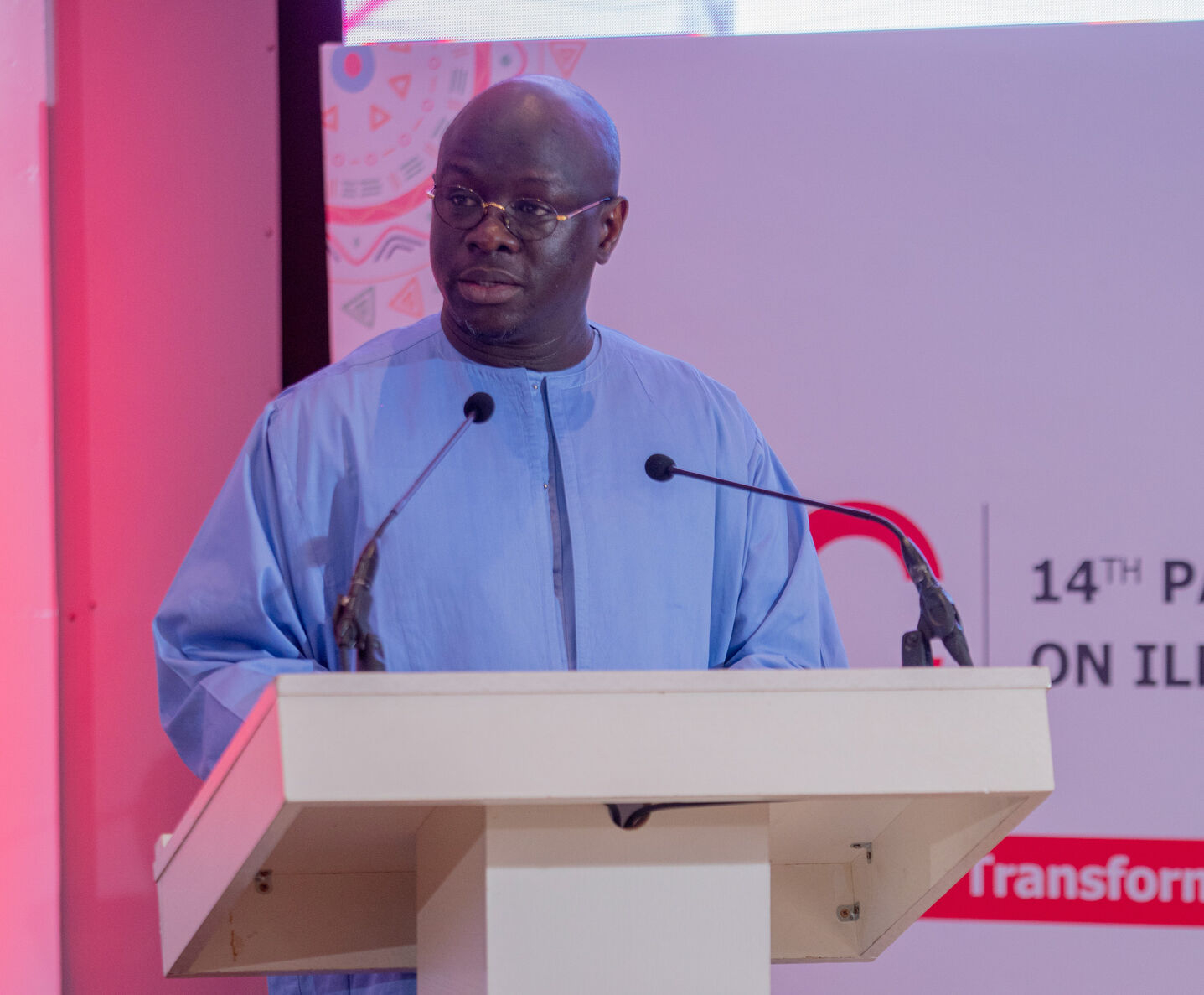
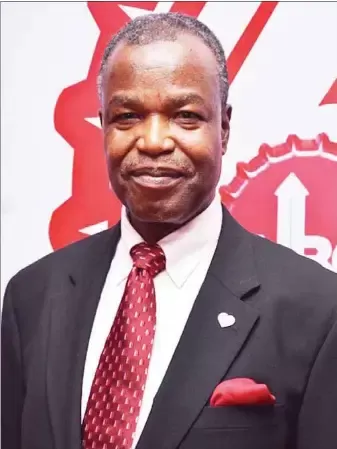
The writer of this article is Ambassador Segun Apata, a Member of the High-Level Panel on IFF from Africa
